 By Owen Palmer
The best noise cancelling headphones for an airplane are the pair that blocks the steady engine drone, keeps the seal comfortable for a five-hour flight, and lasts long enough to reach your destination with charge to spare. This guide walks you through how to judge those factors, what to look for in each category, and which mistakes to avoid so you end up with headphones that actually work at cruising altitude.
Why Airplane Cabins Are a Special Case for ANC
Cabin noise is mostly low-frequency. Engines, air conditioning packs and airflow over the fuselage produce a broad rumble concentrated below roughly 500 Hz. Active noise cancelling (ANC) is good at attacking exactly this kind of constant, predictable sound, which is why it tends to feel dramatic on planes compared with a noisy office or street. Passive isolation matters too, since a tight seal physically blocks the higher-pitched chatter and crying babies that ANC handles less well. For background on how the two methods differ, see How Passive Noise Isolation Works in Headphones.
Shopping for one? See our guide: 8 Best Airpods 4 Noise Cancelling Options for Commuters in 2026.
Step 1: Decide Between Over-Ear, On-Ear and Earbuds
Your first decision is the form factor, because it shapes comfort, isolation and portability more than any spec sheet does.
- Over-ear headphones usually give the strongest passive seal and the largest ANC headroom, since the larger ear cups and cushions create more volume to work with. They are the default choice for long-haul flights.
- On-ear designs are lighter and more compact but can press on the ears after a few hours, and they seal less well against cabin noise.
- True wireless earbuds pack easily into a carry-on and suit short hops, but fit varies widely between ears, and some people find them tiring over many hours. Our overview of Best Noise Cancelling Headphones covers models across these categories.
If you fly more than three hours at a time, over-ear is usually the safer pick. For a sub-two-hour regional flight, earbuds can be perfectly adequate.
Step 2: Evaluate ANC Performance for Cabin Noise
Not all ANC is tuned the same way. Many manufacturers now offer adaptive modes that adjust to your surroundings, but on a plane what matters is how well the headphones suppress steady low-frequency sound without making you feel pressure in your ears.
What to Check in Reviews and Specs
- Whether the brand describes its ANC as tuned for airplane or low-frequency noise.
- Whether there is a transparency or ambient mode, so you can hear announcements without removing the headphones.
- Whether the ANC level can be adjusted in the companion app, if you find full cancellation too intense.
Be cautious of claims that headphones eliminate all cabin noise. They reduce it, sometimes substantially, but voices and sudden bangs still come through. Owners often report that ANC feels strongest in the first hour and remains consistent through a long flight, which is a good sign of stable performance.
Step 3: Check Comfort and Clamping Force
Comfort is where many otherwise excellent headphones fail on a plane. Pressure builds during altitude changes, and a tight clamp can cause headaches.
- Look for a clamping force that holds the cups firmly without squeezing. Brands often publish clamping numbers in grams or newtons; lower values generally suit long wear.
- Choose soft, deep earpads or cushions that rest around the ear rather than pressing on it.
- Check the headband weight. Lightweight designs reduce fatigue over several hours.
- If you wear glasses, test whether the earcups leave a gap at the temple. A gap weakens both seal and ANC.
Replacement pads can improve both comfort and seal. If your current pair feels stiff, Best Replacement Ear Pads and Headphone Cases explains what to look for.
Step 4: Confirm Battery Life for Your Flight Length
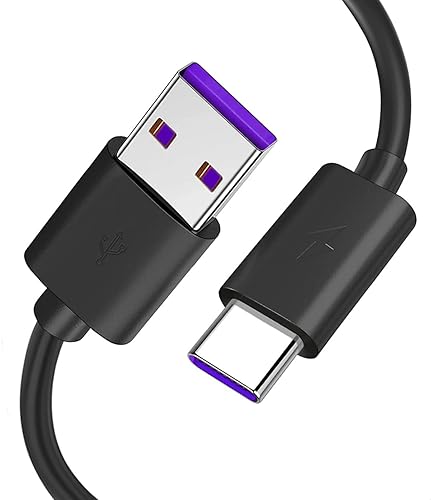
ANC draws more power, so the battery rating printed on the box is usually the figure with ANC switched off. Check the manufacturer’s ANC-on rating and add a margin for travel time to the airport. A pair rated around 20 to 30 hours with ANC on will comfortably cover a long international trip, while shorter ratings may require a charge mid-flight. Keep a USB-C or Lightning cable handy and confirm whether fast charging is supported.
Step 5: Consider Connectivity and Audio Setup
Most modern headphones pair over Bluetooth, but a few airline-specific details matter. Many aircraft seatback systems have a 3.5 mm jack, so a wired option or an adapter can be useful. Some people also use a Bluetooth transmitter to connect to in-flight entertainment; 5 Best Bluetooth Headphone Transmitters covers the options. If you use multipoint pairing, you can connect a phone and a laptop without re-pairing each time.
Comparison Table: Form Factor at a Glance
| Type | Best for | Cabin noise isolation | Comfort on long flights | Portability |
|---|---|---|---|---|
| Over-ear | Long-haul travel | Strongest | Very good with soft pads | Moderate, usually folds |
| On-ear | Short to medium flights | Moderate | Good, can press on ears | Compact |
| True wireless earbuds | Short hops, minimal packing | Good with a secure fit | Varies by ear shape | Most compact |
Common Mistakes to Avoid
- Buying on battery rating alone. Check the ANC-on figure, not the best-case number.
- Ignoring fit. A pair that feels fine for twenty minutes may become painful at hour four.
- Forgetting a wired backup. A dead battery should not leave you without audio.
- Turning ANC to maximum by default. Some people find the pressure uncomfortable. Try a middle setting first.
- Skipping a test before the trip. Wear the headphones at home for an hour to check comfort and ANC behavior.
Tips for Getting the Most from Your Headphones on a Plane
- Download playlists, podcasts or movies before boarding, since in-flight Wi-Fi and streaming can be unreliable.
- Use the transparency mode during boarding and announcements, then switch back to full ANC once seated.
- Keep a small soft case so the headphones are not crushed in your bag.
- Turn the volume down. Even with strong ANC, listening at high levels for hours can strain your hearing.
Recommended gear
- Bose QuietComfort Ultra Headphones are a well-known over-ear option whose ANC is widely discussed for low-frequency engine noise, and they offer adjustable modes in the companion app. View on Amazon
- Sony WH-1000XM5 is a long-standing over-ear model that many travelers consider for its lightweight build and noise cancelling. View on Amazon
- Apple AirPods Pro 2 suits travelers who want earbuds with adaptive ANC and a compact charging case. View on Amazon
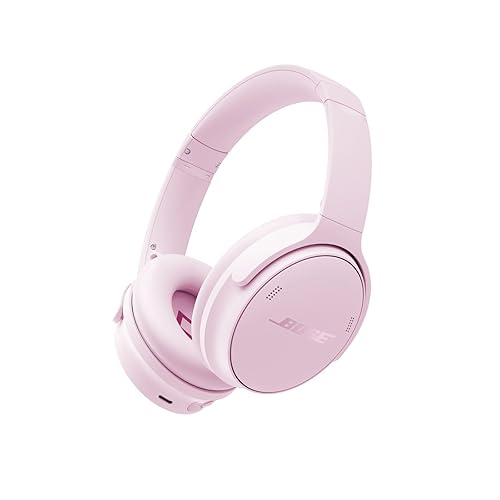
- Bose QuietComfort Headphones offer a more compact over-ear alternative if you prefer a lighter pair for carry-on packing. View on Amazon
FAQ
Are noise cancelling headphones good for airplane travel?
Yes. ANC is particularly effective against the steady low-frequency rumble of aircraft engines and airflow, so most travelers notice a clear reduction in background noise.
Do over-ear or earbuds work better on planes?
Over-ear headphones usually block more noise and suit long flights better. Earbuds are more portable and work well for short trips if they fit your ears securely.
Will ANC block crying babies or announcements?
ANC mainly reduces constant low-frequency sound. Higher-pitched voices and sudden noises are only partly reduced, so passive isolation and a comfortable seal still help.
How long should the battery last for a flight?
Check the ANC-on battery rating and compare it to your total travel time, including airport waiting. Carry a cable so you can recharge if needed.
Can I use noise cancelling headphones during takeoff and landing?
Generally yes, but follow the crew’s instructions. Keep headphones on during announcements only if you can still hear them, or use transparency mode.
Do I need a headphone adapter for the seatback jack?
Many aircraft use a 3.5 mm jack, so if your headphones are wireless-only you may need a Bluetooth transmitter or a wired backup cable.
Is ANC safe for my hearing?
ANC itself does not harm hearing, but listening at high volume for long periods can. Keep the volume moderate, especially with strong cancellation. If you have ear pain or hearing concerns, consult a hearing professional.
Conclusion
The best noise cancelling headphones for an airplane combine strong low-frequency ANC, a comfortable long-wear fit and enough battery for your full journey. Start by choosing a form factor that matches your flight length, then check comfort, battery and connectivity before you buy. Test your pick at home so you are not learning about pressure points at altitude. Browse Noise-Canceling Headphones Buying Guide for a deeper look at the features that matter most.
Ready to choose one?
About Owen Palmer
Owen Palmer is part of our editorial team and reviews and edits our brand headphones & noise cancelling guides, checking product details against manufacturer specifications and owner feedback.