 By Owen Palmer
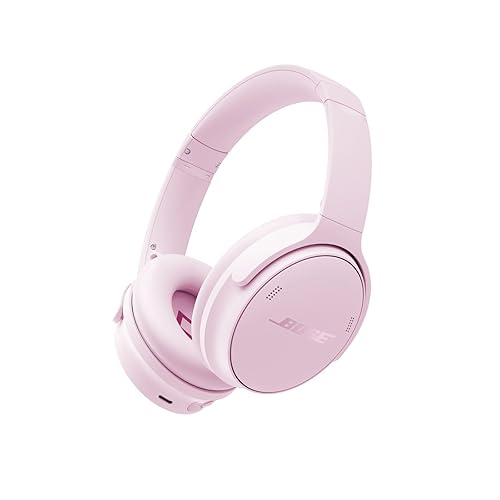
Bose QuietComfort headphones vs Beats Studio Pro is one of the most common comparisons for shoppers who want strong noise cancelling with a premium feel. Bose’s QuietComfort line is built around quiet, neutral-leaning sound and long-haul comfort, while the Beats Studio Pro leans harder into bass, a sleeker look and deeper integration with Apple devices. For most people who mainly want to block out planes, offices and commutes, the Bose QuietComfort headphones are the safer pick. If you live in the Apple ecosystem and want punchier bass with features like spatial audio and head tracking, the Beats Studio Pro is the better match.
Bose QuietComfort Headphones vs Beats Studio Pro at a Glance
Before going criterion by criterion, here is how the two stack up on the points most buyers care about. Specifications below reflect what each manufacturer publishes for its flagship over-ear models, and exact figures can shift between generations and firmware versions.
| Criteria | Bose QuietComfort Headphones | Beats Studio Pro |
|---|---|---|
| Design type | Closed-back over-ear | Closed-back over-ear |
| Active noise cancelling | Strong, widely praised for steady low-frequency blocking | Strong, with adaptive modes and transparency |
| Sound signature | Balanced, neutral-leaning | Bass-forward, warmer tuning |
| Wired option | Yes, via 3.5 mm cable | Yes, via 3.5 mm cable |
| Battery life (manufacturer rated) | Up to about 24 hours with ANC on | Up to about 40 hours with ANC on |
| Fast charging | Quick charge option on the flagship model | Quick charge, roughly 5 minutes for about an hour of playback |
| Multipoint Bluetooth | Yes | Yes |
| Voice assistant access | Works with major assistants through the paired phone | Siri and Google Assistant access, with Apple-specific features |
| Weight | Light for the class, often praised for comfort | Heavier, with a firmer clamp |
| Foldable design | Yes, folds for carrying | Yes, folds for carrying |
Noise Cancelling: Bose QuietComfort Headphones Win
Noise cancelling is the main reason most people buy either headset, and Bose has built its reputation here over many years. Owners of the QuietComfort line often report that the headphones do an especially good job with the steady, low-frequency rumble of airplane engines, trains and air conditioning, which is exactly the kind of noise that wears people down on long trips. The effect tends to feel smooth rather than abrupt, with little of the pressure-change sensation some users describe on less refined ANC systems.
The Beats Studio Pro also cancels noise well, and it offers multiple modes so you can dial in the amount of isolation. Its strength is flexibility, with transparency and adaptive settings that let you hear announcements or conversation without taking the headphones off. In a side-by-side sense, though, the Bose tends to win on the raw consistency of blocking sustained drone. If your primary environment is a loud commute or a plane, the Bose QuietComfort headphones are the stronger choice.
For a deeper look at how these systems work and what to expect from them, see Noise-Canceling Headphones Buying Guide and What is Transparency Mode on Headphones?.
Sound Quality: Beats Studio Pro Wins for Bass Lovers
Sound preference is personal, so it helps to think in terms of signature rather than “better.” The Bose QuietComfort headphones are tuned to sound balanced and natural, with a neutral midrange that suits podcasts, vocals and acoustic music. Bass is present but controlled. This makes them a comfortable everyday listen for people who do not want the music to be reshaped.
The Beats Studio Pro is tuned warmer and more bass-forward, which many listeners enjoy for hip-hop, electronic and pop. The low end hits harder and the overall presentation feels more energetic. The trade-off is that some listeners find the mids slightly recessed compared with a flatter tuning, which can matter for detailed acoustic or classical material. If you want an accessible explanation of how bass, mids and treble are measured, read Understanding Frequency Response for Headphones.
Because both models support a wired connection, you can also compare sound quality without wireless compression by using a good cable. The wired route is covered in Wired vs Wireless Headphones, and Understanding Headphone Cable Types and Upgrades explains which cable options matter.
Comfort and Fit: Bose QuietComfort Headphones Win
Comfort decides whether you wear a pair for an hour or for an entire flight. Bose has a long track record of soft ear cushions and a light clamp, and owners frequently mention that the QuietComfort headphones stay comfortable over long sessions without creating hot spots. The weight is kept modest for the class, which helps when you are wearing them for hours at a desk or on a long-haul flight.
The Beats Studio Pro is comfortable for most people, but it is heavier and uses a firmer clamp, which some wearers find more secure and others find tiring after a long stretch. If you wear glasses, the Bose’s softer pressure often makes a difference. For a broader discussion of how over-ear design affects fit, see Over-Ear vs On-Ear Headphones.
Battery Life and Charging: Beats Studio Pro Wins
Battery life is an easy category to call. Beats rates the Studio Pro at up to about 40 hours with noise cancelling on, which is among the longer figures in the over-ear class. Bose rates the QuietComfort line lower, at around 24 hours with ANC enabled. For most daily commuters, either number is more than enough to last several days between charges. But if you travel for long stretches without a reliable outlet, the Beats has the edge.
Both support fast top-ups. The Beats’ quick charge can supply roughly an hour of playback from a short plug-in, which is useful before a flight. Bose’s quick charge also helps, though the time-to-hour figure is less generous. Compare these figures with the guidance in Wireless Headphones for Travel if battery life is your main concern.
Features and Ecosystem: Beats Studio Pro Wins for Apple Users
Both headsets offer multipoint Bluetooth, so you can keep a laptop and a phone connected at once and switch between them. Both also accept a 3.5 mm cable and include companion apps for adjusting settings. Where the Beats pulls ahead is ecosystem integration. Paired with an iPhone, it supports Apple-specific conveniences such as quick device switching and spatial audio with head tracking. Owners who use Apple devices daily often find these features a real convenience. You can see how head tracking is set up in How Does Head Tracking Work on Beats Headphones? Setup and Fixes.
The Bose QuietComfort line works smoothly with Android and Windows, and its app offers customization of ANC levels and EQ-style controls. If you use a mix of platforms, the Bose is the more neutral choice, and it avoids locking you into a single ecosystem.
Build Quality and Durability: A Close Call
Both headsets feel premium out of the box. The Beats Studio Pro uses a sturdy build with a sleek finish and a fold-flat design that suits people who like a modern look. Bose tends to favor understated materials and a timeless shape. Owners of either pair generally report solid hinges and headbands when handled with reasonable care. Neither is marketed as rugged, so a protective case is a sensible investment for regular travelers. For a broader look at how headphone types differ in construction, see Types of Headphones Explained.
Which Should You Choose?
Choose the Bose QuietComfort headphones if:
- You mainly want the strongest, most consistent noise blocking for planes, trains and busy offices.
- You prefer a balanced, natural sound for podcasts, vocals and acoustic music.
- Long-wear comfort matters more to you than battery endurance.
- You use a mix of Android, Windows and Apple devices.
Choose the Beats Studio Pro if:
- You enjoy bass-heavy genres such as hip-hop, pop and electronic music.
- You want the longest rated battery life for multi-day travel.
- You are deeply invested in Apple devices and want spatial audio and head tracking.
- You like a bold, modern design with a sturdier clamp.
You can find the Bose QuietComfort headphones here: View on Amazon
You can find the Beats Studio Pro here: View on Amazon
FAQ
Is the Bose QuietComfort headphones better than the Beats Studio Pro for noise cancelling?
For most listeners, yes. Owners often report that the Bose does a particularly consistent job blocking steady low-frequency noise such as engine drone. The Beats is still very capable and offers more adjustable modes, so the gap is more about consistency than raw performance.
Which headphones have better battery life?
The Beats Studio Pro is rated for up to about 40 hours with noise cancelling on, compared with roughly 24 hours for the Bose QuietComfort line. Real-world results depend on volume, ANC level and temperature, so treat these as manufacturer-rated figures.
Do both headphones work with Android phones?
Yes. Both connect over standard Bluetooth. Some Apple-specific features on the Beats, such as seamless device switching and certain spatial audio functions, work best with an iPhone or other Apple devices.
Can I use either pair with a cable?
Both support a wired connection through a 3.5 mm cable, which is useful when the battery runs down or when you want to avoid wireless compression. Check the included cable and any adapter requirements before a flight.
Which is more comfortable for long sessions?
Many wearers find the Bose QuietComfort headphones more comfortable over several hours because of their lighter weight and softer clamp. The Beats Studio Pro is comfortable too, but its firmer grip can feel tiring for some people during long sessions. Fit is personal, so trying both if possible is worthwhile.
Conclusion
The Bose QuietComfort headphones are the better all-round choice for noise blocking, comfort and balanced sound, especially for travelers and office workers. The Beats Studio Pro earns its place with longer rated battery life, a bass-forward sound and deeper Apple integration. Decide based on your listening habits and devices, and you will end up with the right pair.
About Owen Palmer
Owen Palmer is part of our editorial team and reviews and edits our brand headphones & noise cancelling guides, checking product details against manufacturer specifications and owner feedback.