 By Owen Palmer
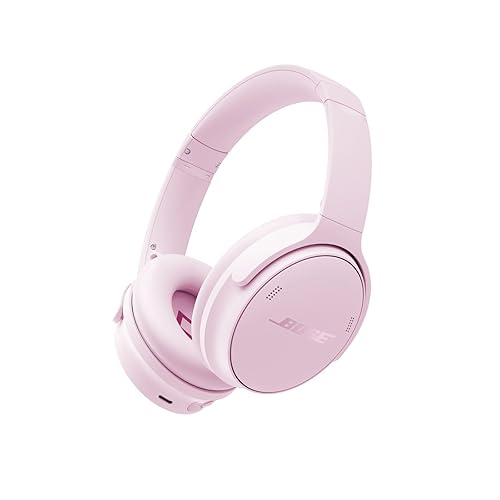
Bose QuietComfort headphones vs Sony WH-1000XM5 is one of the most common comparisons for shoppers who want strong noise cancelling in a wireless over-ear design. The short answer: the Sony WH-1000XM5 tends to win for buyers who want the most adjustable sound and the strongest noise cancelling in quiet, low-frequency environments, while the Bose QuietComfort lineup suits people who prioritize a plush, comfortable fit for long sessions and a tuning that stays relaxed and easy to listen to. Both are mainstream flagship choices, so the right pick depends on how you use them.
Bose QuietComfort vs Sony WH-1000XM5 at a Glance
The table below summarizes the criteria that matter most for this decision. Figures are based on what each manufacturer specifies and what owners commonly report; check the current model you are considering, since generations and firmware change over time.
| Criterion | Bose QuietComfort (over-ear) | Sony WH-1000XM5 |
|---|---|---|
| Noise cancelling style | Strong broadband cancelling, tuned for a wide range of everyday noise | Strong cancelling with dual processors and adaptive tuning; especially effective on steady low-frequency hum |
| Sound signature | Warm, relaxed, easy to listen to without tweaking | Detailed and neutral by default, with an equalizer in the companion app |
| Comfort and fit | Soft, lightweight-feeling clamp; many owners report comfort over long wear | Lightweight build and soft pads; some wearers note more clamping pressure on smaller heads |
| Foldability | Designed to fold for storage | Redesigned to fold flat with a less rigid, more compact design than earlier Sony models |
| Transparency or ambient mode | Available, with an Aware-style mode | Available, with adjustable levels and quick-attention options |
| Battery life | Manufacturer-rated in the high teens to around 24 hours depending on model and settings | Manufacturer-rated at up to about 30 hours with noise cancelling on |
| Multipoint Bluetooth | Supported on current models | Supported on current models |
| Call quality | Strong mic array that handles wind and background noise well | Strong mic array with voice-focused processing in most conditions |
| Companion app | Bose app with EQ and mode controls | Sony Sound Connect app with extensive EQ and customization |
Noise Cancelling: Sony WH-1000XM5 Wins for Steady Low-Frequency Noise
Both headphones deliver noise cancelling that most commuters and frequent flyers will find effective. The difference shows up in the details. Sony’s approach uses two processors and adaptive tuning that adjusts to the wearer’s surroundings, and owners often report that it does an especially good job on steady sounds such as airplane engines, HVAC hum and train rumble. Bose’s broadband cancelling is also excellent and tends to feel more even across mixed environments, such as a busy coffee shop with a background of voices and clatter.
Real-world results depend on the seal and fit, so a headphone that clamps slightly tighter may block more low-end sound on one person and less on another. In general, if your main enemy is a constant rumble, Sony has the edge. If your noise is a mix of hum and mid-range chatter, the two are closer to even.
For more background on how this technology works and what to look for, see Noise-Canceling Headphones Buying Guide.
Winner: Sony WH-1000XM5, narrowly, for pure low-frequency blocking.
Sound Quality: Bose Wins for a Relaxed Listen, Sony for Tuning Control
Sound quality is subjective, but the two brands have clearly different personalities. The Sony WH-1000XM5 is detailed and fairly neutral out of the box, and its app-based equalizer gives you fine control over bass, mids and treble. If you like to shape your own sound, Sony offers more room to do it. Frequency response is the measurement that describes how evenly a headphone reproduces different pitches; if you want to understand that spec better, read Understanding Frequency Response for Headphones.
The Bose QuietComfort approach leans warm and smooth. Many listeners find it pleasant for podcasts, streaming and spoken word without any adjustment. Those who want a headphone that just sounds good without touching settings often prefer Bose.
Winner: Depends on preference. Choose Sony for adjustability and detail, Bose for a balanced, low-effort listen.
Comfort and Fit: Bose QuietComfort Wins for Long Sessions
Both are designed for wear over long periods, but comfort is personal. Owners of the Bose QuietComfort line frequently describe a soft clamp and cushioning that holds up through multi-hour flights. The Sony WH-1000XM5 is light and comfortable for most people, though some wearers, particularly those with smaller heads, report more pressure around the ears over extended use. Clamp force is one of the most common complaints across all over-ear headphones, and it is worth trying a pair on before buying if you can.
If the ear cushions wear out or feel flat after a year or two, you can often replace them. See How to Replace Your Headphone Ear Pads for a general walkthrough.
Winner: Bose QuietComfort, for most people who wear headphones for hours at a time.
Battery Life and Charging: Sony WH-1000XM5 Wins on Rated Runtime
Manufacturers rate the Sony WH-1000XM5 at up to roughly 30 hours with noise cancelling on, and it supports quick charging from a short USB top-up. Bose QuietComfort models are generally rated in the high teens to around 24 hours depending on the exact version and settings. Actual runtime drops when you use high volume, heavy noise cancelling or a Bluetooth connection with a lot of switching. Both are more than enough for a long flight or a full workweek, and both can be used wired when the battery runs out, which is worth knowing if you travel.
If you want to understand how wireless connection stability affects day-to-day use, see Why Bluetooth Headphones Keep Disconnecting.
Winner: Sony WH-1000XM5, on rated battery life.
Call Quality and Microphones: Tie, With Context
Both have multi-microphone arrays with voice-focused processing that filter wind and background noise during calls. In typical office or street conditions, most people on the other end of a call will hear clear speech from either model. In very windy conditions or loud environments, results vary. Neither is a dedicated studio microphone, so for critical recording you would want a separate mic.
Winner: Tie.
Features and Ecosystem: Sony WH-1000XM5 Wins for Customization
Sony’s app gives you detailed EQ controls, adjustable noise cancelling levels, touch controls and multipoint pairing. Bose’s app is simpler, with a focus on modes and a clean EQ, and Bose models also offer multipoint Bluetooth on current versions. Both support voice assistants and both work with common Bluetooth codecs on compatible phones and laptops. Multipoint pairing lets you connect to two devices at once, which is useful if you switch between a laptop and a phone. If you find your headphones dropping or pairing poorly with a device, see How to Fix Bluetooth Headphones That Won’t Pair.
Winner: Sony WH-1000XM5, for control and customization.
Which Should You Choose?
- Choose the Sony WH-1000XM5 if you want the strongest low-frequency noise cancelling, detailed sound with app-based EQ, and the longest rated battery life.
- Choose the Bose QuietComfort if comfort over long wear matters most to you, and you prefer a warm, easy listen without adjusting settings.
- Choose the Sony WH-1000XM5 if you frequently fly or ride trains and want to cancel steady engine or rumble noise.
- Choose the Bose QuietComfort if you wear headphones for long stretches and find clamp pressure uncomfortable on other models.
- Choose either if you mostly make calls and want a headphone with a solid mic array.
- Choose based on fit if you have a very small or very large head; try both in person when possible, since clamp force varies.
For context on the broader headphone types you might consider, see Types of Headphones Explained and Over-Ear vs On-Ear Headphones.
Where to Find Each Option
FAQ
Is the Sony WH-1000XM5 better than Bose QuietComfort for noise cancelling?
The Sony WH-1000XM5 tends to block steady low-frequency noise, such as engine hum, a little more effectively in many reports, while Bose handles mixed everyday noise very well. The difference is small for most people, and fit affects results as much as the model does.
Which is more comfortable for long wear?
Owners of Bose QuietComfort headphones frequently describe them as comfortable for multi-hour use. The Sony WH-1000XM5 is also light, but some wearers, especially those with smaller heads, report more clamp pressure over time.
Do these headphones support multipoint Bluetooth?
Yes, current versions of both lines support connecting to two devices at once. Check the specific model and firmware, since feature support can vary by generation.
How long does the battery last on each?
Sony rates the WH-1000XM5 at up to about 30 hours with noise cancelling on. Bose QuietComfort models are generally rated in the high teens to around 24 hours. Real runtime depends on volume, noise cancelling use and connection habits.
Can I use either one wired when the battery is dead?
Both support a wired connection through a cable, so you can keep listening when the battery runs out. Check the cable type and port on the specific model you buy, since connectors and included cables differ.
Conclusion
Bose QuietComfort headphones vs Sony WH-1000XM5 comes down to priorities. The Sony WH-1000XM5 leads on low-frequency noise cancelling, customization and rated battery life, making it a strong pick for frequent travelers and anyone who likes to tune their sound. The Bose QuietComfort line is a better match for listeners who value a relaxed sound and comfort over long sessions. Try them on if you can, because fit is the factor most likely to decide your satisfaction.
About Owen Palmer
Owen Palmer is part of our editorial team and reviews and edits our brand headphones & noise cancelling guides, checking product details against manufacturer specifications and owner feedback.