 By Owen Palmer
Updated November 2026
The bose soundlink around-ear wireless headphones ii white is a closed-back, over-ear Bluetooth model aimed at people who want a comfortable, familiar Bose sound signature without paying for active noise cancelling. It suits commuters, home listeners and anyone who mostly listens to podcasts, music and calls in moderately noisy places. It is a weaker fit for frequent flyers who need strong noise cancelling, for bass-heavy listeners who want a dramatic low end, and for buyers who expect the latest codecs, multipoint pairing or a modern USB-C port. Treat this review as a research-based overview built from the published specifications and common owner feedback, not as a record of hands-on testing.

Bose SoundLink Around-Ear Wireless Headphones II- White
Product Overview
The SoundLink Around-Ear Wireless Headphones II is the second generation of Bose’s wireless around-ear line that sits below the QuietComfort models in the company’s lineup. It uses a closed-back design with memory-foam cushions wrapped in a soft fabric and a headband with a padded underside. Bose positions the model as a comfortable, everyday headphone with a balanced tuning that favors clear vocals and midrange detail over aggressive bass.
The white colorway is the most visible difference from the black version, and the rest of the design is essentially the same. The earcups have a rounded, slightly flattened shape, and the controls sit on the right earcup as physical buttons rather than touch surfaces. Owners often describe the build as solid for the weight, with a plastic frame that feels sturdier than its price tier would suggest. The headband adjusts with smooth sliders, and the earcups swivel enough to lie flat on a desk or sit comfortably around the ears during long sessions.
Because this is a Bluetooth model with a built-in battery, you can use it wirelessly for most of the day without reaching for a cable. A 3.5 mm analog input is also present in many versions, which lets you keep listening when the battery is low or when you want to connect to an airplane seatback or a studio source. Check the listing for the exact connection options included with your unit before you buy, since bundled cables can vary by seller and region.
Key Features & Specifications
The table below lists the specifications that Bose publishes or that are consistently reported for this model. Where a figure varies by firmware or region, the table leaves it out rather than guessing.
| Feature | Details |
|---|---|
| Headphone type | Wireless, around-ear (over-ear), closed-back |
| Connectivity | Bluetooth wireless; 3.5 mm analog input on most configurations |
| Noise cancelling | Not an active noise cancelling model |
| Ear cushions | Padded, soft-fabric memory foam |
| Controls | Physical buttons on the right earcup for power, volume, and track or call control |
| Microphone | Built-in microphone for calls and voice assistant access on supported phones |
| Color | White |
| Model family | SoundLink Around-Ear Wireless Headphones II |
Bose generally quotes a battery life figure for this family that is long enough for several days of typical commuting use on a single charge, though real results depend on volume level and how often you use the analog input. Confirm the current battery rating on the official Bose product page, since firmware updates and revisions can change the number. The model supports standard Bluetooth pairing with phones, tablets and laptops, and it stores paired devices so reconnecting is usually quick.
Pros & Cons
Pros
- Comfortable padded earcups and headband for long listening sessions, which owners frequently mention as a top strength.
- Balanced, midrange-forward sound that suits podcasts, vocals and acoustic music well.
- Physical buttons are easy to find by feel, which many people prefer for in-pocket or in-bag use.
- Build quality feels durable for the weight, with few reports of loose hinges or creaking.
- Clear microphone performance for calls in quiet to moderate environments, according to owner feedback.
- Recognizable Bose styling in a clean white finish that pairs well with light-colored clothing and workspaces.
Cons
- No active noise cancelling, so the closed-back seal blocks only part of ambient noise on trains, planes and busy streets.
- Bass is restrained compared with bass-forward competitors, which may disappoint listeners who prefer heavy low end.
- Older Bluetooth generation compared with newer models, which can mean fewer codec and multipoint options.
- Charging connector and bundled accessories can differ by version, so buyers should check what is included.
- Over-ear design is bulkier than on-ear or in-ear options for pocket carry.
Performance Analysis
Performance for a headphone like this comes down to three areas: sound tuning, comfort over time, and everyday wireless behavior. On sound, owner feedback tends to describe a warm but controlled presentation. Voices and acoustic instruments sit forward and sound natural, which is useful for podcasts, audiobooks and singer-songwriter music. Bass is present but not overwhelming. If you listen to hip-hop, EDM or heavily compressed pop and expect a large sub-bass punch, you may find the low end polite. Many users address this with an equalizer app on their phone, raising the lowest bands by a few decibels rather than changing the headphones.
Comfort is where this model earns much of its reputation. The padded cushions distribute clamping force evenly, and the memory foam tends to hold its shape without flattening quickly. Owners who wear glasses often note that the earcup seal is good enough to stay comfortable, though the seal can create some pressure after a few hours. Because the design is closed-back, you will get some passive isolation from background hum, which helps in offices and quiet homes. It will not match a dedicated active noise cancelling headphone on a long-haul flight.
Wireless behavior is solid for everyday use. Pairing with phones is straightforward, and range is adequate for moving around a home or office. Call quality is generally rated as clear by users in quiet rooms, while windy outdoor calls can pick up more background noise, as is common with most headphone microphones. If you rely heavily on advanced features like multipoint pairing or the newest Bluetooth audio codecs, check the official specifications for your specific revision before purchasing, since those options are not core to this model’s positioning.
Who Should Buy This Product?
This headphone is a good match for people who want a comfortable, clear-sounding wireless over-ear model from a well-known brand without paying for active noise cancelling. Remote workers who take frequent calls, students who listen to lectures and podcasts, and home listeners who prefer natural vocals will likely appreciate the balance. It also works well as a second pair for the gym or travel if you do not need heavy isolation.
You should probably skip this model if your listening is dominated by bass-heavy genres, if you travel often on noisy aircraft or commuter trains and need strong noise cancelling, or if you want the most advanced wireless features available today. In those cases, a QuietComfort-class model or a dedicated bass-focused headphone will serve you better. Buyers who are unsure should consider how much of their listening happens in loud environments versus quiet ones.
Buying Guide
Before you buy any wireless over-ear headphone, decide which factor matters most: noise isolation, bass response, comfort for long sessions, or battery and connectivity features. A few practical steps will help you choose well.
- Check the noise situation. If you mostly listen at home or in an office, passive closed-back isolation may be enough. If you commute on loud transit, look for active noise cancelling.
- Test fit mentally. Measure your head roughly and check the adjustment range in the listing. Heavier headphones can cause fatigue, so weight matters as much as clamp force.
- Confirm the connection options. Verify whether the model includes a 3.5 mm input, and whether a cable is bundled with your version.
- Review the Bluetooth features. If multipoint or specific codecs matter to you, read the official spec sheet for the exact revision you are considering.
- Plan for replacements. Ear cushions wear out over time, and replacement guides for Bose models can extend the life of your headphones. Our guide to How to Replace Your Headphone Ear Pads and the article Replacement Earpads for Bose Headphones: A Step-by-Step Guide (2026) cover the process.
If you are comparing this model with other options, consider the following well-known alternatives. Each suits a different priority.
Refurbished option for the same family: The Amazon Renewed listing for the same SoundLink line offers the familiar design at a lower cost for buyers who accept a refurbished unit. Check the seller’s condition grade and return policy before you buy.

Amazon Renewed SoundLink Around-Ear Wireless Headphones II (Renewed) (White)
Noise cancelling alternative: The Bose QuietComfort Headphones (2nd Gen) add active noise cancelling, USB-C charging and newer connectivity, making them a better match for frequent flyers and commuters who need strong isolation.
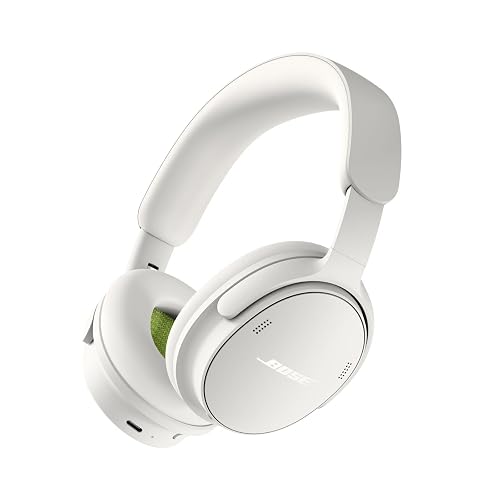
Bose QuietComfort Headphones (2nd Gen) – Wireless Headphones, Active Over Ear Noise Cancelling and Mic, Immersive Audio, USB-C Charging and Lossless Audio, Up to 24 Hours of Play time, White Smoke
For a broader look at how to compare over-ear models, see How to Choose Wireless Over-Ear Headphones: A Buyer’s Guide. If you are weighing Bose against other brands, Sony Versus Bose Noise Cancelling Headphones: Which Fits You Best (2026) is a useful comparison. For travel-focused buyers, Wireless Headphones for Travel explains which features matter most on the road.
FAQ
Does the Bose SoundLink Around-Ear Wireless Headphones II have active noise cancelling?
No. This model relies on its closed-back design and cushions for passive isolation. It reduces some background noise but does not actively cancel low-frequency sounds like engine hum. If you need active noise cancelling, consider a QuietComfort-class model instead.
Is the white version different in sound from the black version?
The color changes the appearance, not the audio hardware. Both versions are generally described as sharing the same drivers and tuning, so sound quality should be identical.
How long does the battery last?
Bose publishes a battery rating for this family, and owners typically report several days of normal use on one charge. Actual results depend on volume and whether you use the wired input. Check the current official rating before you buy.
Can I use the headphones with a cable?
Many versions include a 3.5 mm analog input, which lets you listen when the battery is depleted or connect to compatible devices. Confirm this on the listing, since bundled cables and ports can vary.
Are these headphones comfortable for long listening sessions?
Owners frequently describe the padded cushions and headband as comfortable for extended wear. Some people feel pressure around the ears after several hours, which is common with closed-back over-ear designs.
Are the ear pads replaceable?
Yes, ear cushions on Bose over-ear models are generally replaceable. Look for an official or third-party replacement that matches your model, and follow a step-by-step guide to avoid damaging the earcups.
Is this a good headphone for phone calls?
The built-in microphone is generally described as clear in quiet to moderately noisy rooms. Outdoor calls in wind can pick up more background noise, which is typical for most headphone microphones.
Final Verdict
The Bose SoundLink Around-Ear Wireless Headphones II is a comfortable, clear-sounding wireless over-ear headphone that suits home listeners, remote workers and anyone who values a familiar Bose tuning over aggressive bass or active noise cancelling. Its padded design and physical controls make it easy to live with day to day, and its build feels durable for its class. It is a less convincing choice for travelers who need strong isolation or for listeners who want the newest wireless features. If your priorities match the first group, it is a sensible pick. If not, look at the noise cancelling alternatives listed above before deciding.
Related reading
- Replace Cushions Bose Headphones: 6 Best Ear Pads Compared (2026)
- 7 Best Replacing Ear Cushions Bose Headphones Compareds (2026)
- 7 Best Bose Sport In Ear Headphones for Workouts (2026)
About Owen Palmer
Owen Palmer is part of our editorial team and reviews and edits our brand headphones & noise cancelling guides, checking product details against manufacturer specifications and owner feedback.