 By Owen Palmer
Bose vs Apple headphones comes down to what you value most. Bose generally wins for active noise cancelling, all-day comfort and a sound signature many listeners describe as warm and balanced across a wide range of music. Apple wins for readers who live inside the iPhone, Mac and iPad ecosystem, because automatic switching, spatial audio and seamless setup are hard to match from outside Apple’s devices. If you use Android or a mix of platforms, Bose is usually the safer call. If you are fully committed to Apple hardware, the AirPods line is the more convenient choice.
This comparison looks at the two brands in the categories that matter most for everyday buying decisions: sound, noise cancelling, comfort, battery life, call quality, controls, and platform compatibility. Where a criterion depends on the specific model, the comparison uses the brand’s current mainstream lineup, and manufacturers’ stated specifications are the reference point. Readers who want background on the terms used here can start with Noise-Canceling Headphones Buying Guide and Types of Headphones Explained.
Comparison at a Glance
| Criteria | Bose (over-ear and in-ear lines) | Apple AirPods (in-ear lines) |
|---|---|---|
| Form factor | Over-ear and in-ear models available | In-ear models, with AirPods Max as the over-ear option |
| Active noise cancelling | Strong, with a broad range of models targeting different noise levels | Strong on flagship models, with adaptive modes |
| Sound signature | Warm, balanced, forgiving across genres | Clear and bright, with spatial audio on supported content |
| Comfort for long sessions | Often praised for lightweight, cushioned designs | Lightweight in-ear fit; comfort varies by ear shape |
| Platform compatibility | Works well with Android, Windows and iOS | Best with Apple devices; limited features elsewhere |
| Setup and switching | Standard Bluetooth pairing; app-based controls | One-tap pairing and automatic device switching on Apple hardware |
| Microphone for calls | Solid voice pickup in most models | Strong, especially on recent flagship models |
| Ecosystem features | Multipoint connection on many models | Spatial audio, Find My integration, Siri |
Sound Quality: Bose Takes the Warmer, Apple Takes the Brighter
Sound preference is personal, so the winner depends on what you listen to. Bose tuning is generally described as warm and smooth, with a fuller low end and a relaxed upper midrange. That suits podcasts, acoustic music, jazz and long listening sessions where fatigue matters. Apple AirPods tend to sound brighter and more detailed in the treble, which many listeners find lively with pop, electronic and modern production.
Winner for most listeners: Bose, because its balanced tuning translates to more genres. Apple earns the edge for listeners who want crisp highs and spatial audio on compatible films and music.
Active Noise Cancelling: Bose Leads on Isolation
Bose has long been associated with strong active noise cancelling, and owners of its flagship models often report significant reduction in engine drone, airplane cabin hum and office background noise. Apple’s flagship AirPods have also improved considerably and offer adaptive modes that adjust to your surroundings. In most side-by-side owner comparisons, Bose still edges ahead on low-frequency isolation, which matters most on planes and trains.
For a deeper look at how these systems work and what to expect from them, see Transparency Mode on Headphones alongside the noise cancelling buying guide.
Winner: Bose for pure isolation. Apple is competitive and handles everyday commuting noise well.
Comfort and Fit: Depends on Your Ears
Comfort is less about brand and more about fit. Bose over-ear models are usually praised for soft cushioning and a light clamp force, and owners often report comfort over several hours. Bose in-ear tips come in multiple sizes, which helps with seal and fatigue. AirPods use a stem design with a single in-ear fit; they are very light, but some users find the fit loose during exercise or insecure without the right ear tip size.
Winner: Bose for long, sedentary listening. AirPods win for people who want a light, open feel and do not need a deep seal.
Battery Life and Charging
Manufacturers specify battery life in ideal conditions, and real-world results vary with volume and noise cancelling use. Bose over-ear models typically list battery figures in the range of around 20 to 30 hours, while Bose in-ear models list shorter per-earbud runtimes with charging case extensions. AirPods list roughly 5 to 6 hours of listening per charge with noise cancelling active and more with the case. Both brands support quick top-ups and wireless charging on some models.
Winner: Bose for over-ear endurance. AirPods are fine for commutes but need the case for full days.
Calls and Microphone Performance
Apple has invested heavily in voice pickup, using multiple microphones and beamforming on recent AirPods, and many callers report clear voices even in moderate wind. Bose models also deliver solid call quality, especially in quiet rooms. Both are reliable for video meetings. If you take a lot of calls outdoors, AirPods have the edge.
Winner: Apple for outdoor and wind-prone calls. Bose is strong indoors.
Connectivity, Controls and Ecosystem Features
This is where the brands diverge most sharply. AirPods pair with one tap on iPhone, switch between an iPhone, iPad and Mac automatically, and integrate with Siri, Find My and spatial audio. Those features do not work the same way on Android or Windows. Bose uses standard Bluetooth pairing and a companion app with EQ and customization, and many models support multipoint so you can stay connected to two devices at once.
If dropouts or pairing trouble come up, Why Bluetooth Headphones Keep Disconnecting covers the usual causes, and How to Fix Bluetooth Headphones That Won’t Pair walks through reset steps.
Winner: Apple for Apple users. Winner: Bose for mixed-platform households.
Build Quality and Durability
Bose over-ear models use cushioned headbands and sturdy hinges, and owners often report years of use with pad replacement. AirPods are compact and well made, but the small size and charging case mean wear shows more quickly, and battery degradation is the most common long-term issue. Keeping ear tips clean and storing the case in a protective sleeve helps. For over-ear care, How to Replace Your Headphone Ear Pads is worth reading.
Winner: Bose for serviceable over-ear builds.
Which Should You Choose?
- Choose Bose if you use Android or Windows, want the strongest noise isolation for flights, or prefer a warm, relaxed sound for long sessions.
- Choose Apple AirPods if you are all-in on iPhone, iPad and Mac and value automatic switching, spatial audio and Siri.
- Choose Bose over-ear models if you work from home or travel often and want comfort across many hours.
- Choose AirPods if you want something compact for gym sessions, short commutes and frequent calls outdoors.
- Choose either if you are a budget-conscious buyer; look at the previous-generation models from each brand for better value.
Top Picks from Each Brand
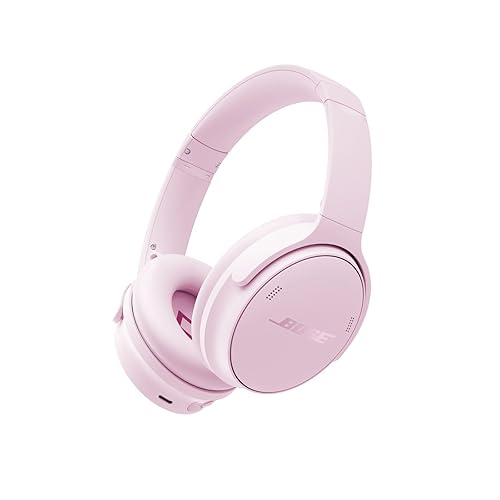
For Bose, the QuietComfort line is the usual starting point for noise cancelling and comfort: View on Amazon. For Apple, the AirPods Pro line is the most popular choice for active noise cancelling in the in-ear category: View on Amazon.
If you are still deciding between form factors, Headphones vs Earbuds and Over-Ear vs On-Ear Headphones are useful companion reads. Travelers should also check Wireless Headphones for Travel.
FAQ
Are Bose headphones better than AirPods for noise cancelling?
In most owner comparisons, Bose flagship models are described as stronger at blocking low-frequency sounds like engines and cabin hum. AirPods Pro models do well for everyday noise and offer adaptive modes, so the gap is smaller than it once was.
Do AirPods work with Android phones?
They pair and play audio, but you lose one-tap setup, automatic device switching and many Apple-specific features such as spatial audio and Find My integration.
Which lasts longer, Bose or AirPods?
Bose over-ear models are often praised for durability and replaceable parts like ear pads. AirPods are well built, but battery wear is the usual limit, and the compact design makes long-term repairs harder.
Is sound quality noticeably different between the two?
Yes, but it is a matter of taste. Bose leans warm and balanced, while AirPods lean brighter and more detailed. Try both with music you know well if you can.
Should I buy Bose or Apple if I rarely take calls?
Either works. If you rely on your phone’s ecosystem for music and notifications, AirPods add convenience. If you mostly listen to audio on an Android device or a computer, Bose is the more flexible choice.
Conclusion
Bose vs Apple headphones does not have a single winner. Bose is the better all-round choice for noise isolation, comfort over long sessions and mixed-platform use. Apple AirPods are the better fit for people who live in Apple’s ecosystem and want effortless switching, spatial audio and strong calls on the go. Match the brand to the device you carry most, and the right pair usually becomes obvious.
About Owen Palmer
Owen Palmer is part of our editorial team and reviews and edits our brand headphones & noise cancelling guides, checking product details against manufacturer specifications and owner feedback.