 By Owen Palmer
Updated November 2026
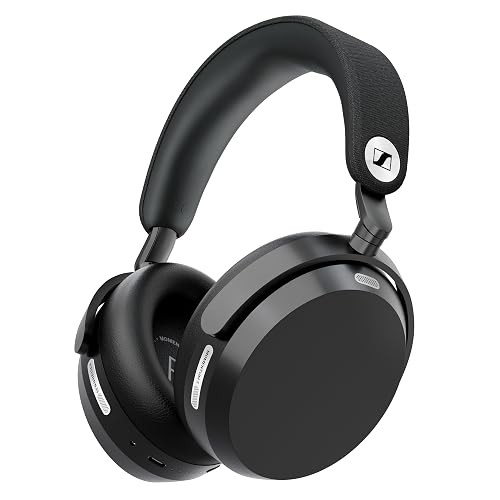
The sennheiser hd 598 cs closed back headphone is aimed at listeners who want a comfortable, fairly neutral wired headphone that isolates sound from the room, without stepping into the highest tier of audiophile gear. It suits people who record or mix casually, gamers and home listeners who spend long sessions wearing headphones, and anyone who wants a closed-back pair that still sounds open enough for music. Skip it if you need active noise cancellation, Bluetooth connectivity, or a bass-heavy tuning, or if you plan to drive it from a phone with no amplifier and expect maximum loudness. Listeners who want an open soundstage should look at the open-back models in the same family instead.

Sennheiser HD 598 Cs Closed Back Headphone
Product Overview
The HD 598 CS is a wired, circumaural (over-ear) headphone from Sennheiser, part of the HD 598 line that has long been known for a balanced, relatively neutral sound. The “CS” designation refers to the closed-back version of the design, which uses sealed ear cups to limit sound leaking in and out. In practice, that means you hear less of the room and fewer of your listening sounds escape to people nearby, though the trade-off is a more enclosed sense of space compared with open-back headphones.
Owners generally describe the build as lightweight for an over-ear model, with a padded headband and ear pads that are meant for extended wear. The cable is detachable on many versions of this line, which matters if you want to replace it later. Because it is a passive, wired design, it does not need batteries or a charging routine. Its real-world sound depends heavily on the source you plug into, and many listeners find it sounds better with a decent headphone output than with a weak phone jack.
Key Features & Specifications
The following table lists the features that are consistent with the product name and the broader HD 598 family. Confirm exact figures on the current product page before buying, since revisions and regional versions can differ.
| Feature | Details |
|---|---|
| Model | Sennheiser HD 598 CS |
| Design | Closed back, circumaural (over-ear) |
| Connection | Wired, 3.5 mm plug (with 6.3 mm adapter typically included) |
| Noise isolation | Passive only; no active noise cancellation |
| Wireless | Not supported |
| Ear pads | Padded, replaceable on this line |
| Cable | Detachable on many versions of this family |
| Impedance | Moderate; generally manageable from many laptops and interfaces, though amplification helps at high volume |
Check the listing for the exact driver size, frequency response, sensitivity, and weight, as these figures vary between regional versions and revisions of the line.
Pros & Cons
Pros
- Comfortable for long sessions, according to frequent owner feedback about the padding and clamp force.
- Passive isolation that works well in quiet rooms and offices without any electronics.
- Balanced, fairly neutral tuning that many listeners prefer for mixing and critical listening.
- Wired connection means no latency concerns for gaming or video editing.
- Replaceable ear pads and, on many versions, a detachable cable.
Cons
- No active noise cancellation, so loud environments still leak in.
- No Bluetooth, which rules it out for wireless or phone-only setups.
- Bass is restrained compared with consumer headphones tuned for a heavier low end.
- Sound quality improves noticeably with an amplifier, which adds cost and a desk footprint.
- Closed-back design can feel more enclosed and less spacious than open-back alternatives.
Performance Analysis
Based on the design and the general reception of the HD 598 line, the CS version tends to be judged on three things: tonal balance, isolation, and comfort. Owners frequently describe the tuning as clear in the midrange and detailed through the highs, with a bass response that is present but not emphasized. For vocals, acoustic instruments, and detailed listening, that restraint is often seen as a strength. For electronic music or bass-driven genres, some listeners find it too lean and reach for an EQ adjustment or a different headphone.
Closed-back isolation is generally effective against moderate office and household noise, such as keyboards, conversation at a normal distance, and fans. It will not block sudden loud sounds or heavy traffic. Soundstage is narrower than an open-back model would deliver, which is the expected trade-off of a sealed design. In terms of sensitivity, the headphone usually performs acceptably from a laptop or DAC/amp combination, and owners often report that a dedicated headphone amplifier brings out more dynamic range and control, particularly at higher listening levels. Manufacturers specify the headphone for music and general listening rather than as a noise-cancelling product, so expectations should be set accordingly.
Who Should Buy This Product?
This headphone fits listeners who want a comfortable, wired, closed-back pair for home, studio, or office use. It is a reasonable choice for casual mixing, podcast editing, and gaming where latency matters. Students and remote workers who sit at a desk for hours may appreciate the padding and the ability to replace parts. It is also a good step up for people moving from budget consumer headphones who want more accurate sound without moving into a fully open-back setup.
Skip it if you travel frequently and need noise cancellation, if you want Bluetooth, or if your primary goal is punchy bass. People who listen in a very quiet room and want a spacious soundstage may find an open-back model in the same family more satisfying.
Buying Guide
Before buying any closed-back headphone, consider how you will power it. A laptop or interface headphone output is often enough for casual listening, but a small desktop amplifier will tend to improve control and clarity. Check whether the version you are considering includes a 6.3 mm adapter, and whether the cable is detachable, since both affect how easily you can use it in studio or home setups.
Fit matters more than most specs. Measure how the ear cups sit around your ears and try to test the clamp force if you can, since a headphone that feels fine for twenty minutes may become uncomfortable over several hours. If you expect to use it for years, confirm that replacement ear pads are available for your version.
If the HD 598 CS does not fit your needs, these well-known alternatives are worth comparing:
- Sennheiser HD 599 (open-back, wired): A good choice if you want a more open soundstage and can accept less isolation.

Sennheiser HD 599 Open-Back Wired Audiophile Headphones, Ivory
- Sennheiser HD 569 (closed-back, wired): A closed-back option from the same brand that may suit listeners looking for a similar sealed design.

Sennheiser HD 569 Closed-Black Wired Audiophile Headphones
For broader context on how the two designs differ, see Open-Back vs Closed-Back Headphones and Closed-Back Headphones: How They Work and Who Needs Them. If you are weighing the open-back route, Sennheiser Open Back Headphones: 7 Best Picks for Every Listener (2026) covers the family in more depth. Listeners comparing this model with its nearest sibling may also find Sennheiser HD600 vs HD650: Which Open-Back Headphone Fits You? (2026) useful, and Closed Back Sennheiser Headphones: 5 Best Picks Compared (2026) gives a side-by-side view of sealed options from the brand.
FAQ
Is the sennheiser hd 598 cs closed back headphone good for gaming?
Yes, for many players. It is wired, so there is no Bluetooth latency, and the closed design helps keep game audio contained. Positional audio will be less spacious than with an open-back headphone, but comfort during long sessions is a common point of praise among owners.
Does it need an amplifier?
Not always. Many laptops and audio interfaces can drive it at reasonable volume. However, owners often report better dynamics and control with a dedicated amp, especially at higher listening levels.
Does the HD 598 CS have noise cancellation?
No. Isolation is passive, provided by the sealed ear cups and ear pads. It reduces moderate background noise but does not actively cancel sound.
Can I use it with a phone?
You can, using the 3.5 mm connection, but phone output is often weaker than a computer or amp, so volume and detail may be limited. A small portable amplifier or USB DAC can help.
Is it good for mixing or editing audio?
Many people use it for casual mixing and editing because the tuning is fairly balanced. Professional mixing engineers often pair headphones with reference monitors and room treatment, so treat this as a practical tool rather than a complete studio solution.
Can the ear pads and cable be replaced?
Replacement ear pads are generally available for this line. Cable detachability depends on the version, so check the product specifications before purchase.
How does it compare to the open-back HD 599?
The HD 599 offers a more open, spacious presentation but leaks more sound and isolates less. The HD 598 CS is the better pick if you need privacy or room isolation.
Final Verdict
The sennheiser hd 598 cs closed back headphone is a comfortable, wired, balanced option for home listening, casual studio work, and gaming, with the expected limits of a passive closed design. It rewards a clean source and suits listeners who value fit and neutral tuning over bass emphasis. If you need noise cancellation or Bluetooth, look elsewhere; if you want the most spacious sound, consider an open-back sibling. For most people who want a sealed, comfortable wired headphone, it is a sensible choice. Check the current listing and View on Amazon for the latest details before buying.
Note: If you have hearing concerns or plan to listen at high volume for long periods, consult an audiologist or hearing professional for personalized advice.
Before you buy: helpful guides
About Owen Palmer
Owen Palmer is part of our editorial team and reviews and edits our brand headphones & noise cancelling guides, checking product details against manufacturer specifications and owner feedback.