 By Owen Palmer
Updated November 2026
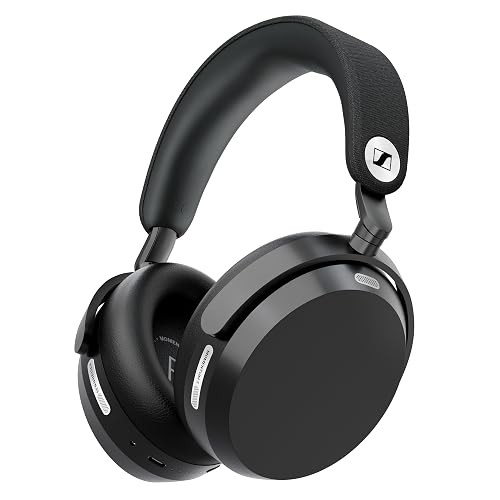
The sennheiser hd 598 closed back headphone is a sealed, over-ear model aimed at listeners who want a comfortable, neutral-leaning sound without the open-back leakage that makes some headphones hard to use in shared spaces. It suits people who listen at home but need some isolation, musicians who want a reference-style sound for casual tracking and mixing checks, and anyone building a first serious wired setup. It is a weaker choice for listeners who want the widest soundstage, people who need strong passive noise isolation for commuting, or buyers who expect built-in Bluetooth, active noise cancelling, or a detachable microphone for calls.

Sennheiser HD 598 Cs Closed Back Headphone
Product Overview
The HD 598 sits in Sennheiser’s long-running 500-series line of wired over-ear headphones. The “CS” suffix in the product name refers to the closed-back design, which means each earcup is sealed on the outside. That sealing limits how much sound leaks out and how much outside noise gets in, compared with the open-back versions of the same family. Sennheiser has marketed the 598 as a comfortable, detailed headphone for critical listening and general use, and it is commonly grouped with the company’s more expensive open-back models as an entry point into the brand’s sound signature.
Owners often describe the headphone as lightweight for its class and comfortable for long sessions, largely because of its padded headband and velour-style ear pads. The design is conservative: matte plastic and metal accents, a fixed cable, and a straightforward look that avoids flashy styling. For buyers who value function over appearance, that restraint is part of the appeal.
Because the HD 598 is a wired headphone, its performance depends heavily on the source you plug it into. A phone or laptop output will drive it adequately, but many listeners find that a dedicated headphone amplifier or a DAC with a headphone output brings out more detail and control. The headphone is not designed around any particular app or streaming ecosystem, so it works the same way with any device that has a standard headphone jack or adapter.
Key Features & Specifications
The table below lists specifications that Sennheiser publishes or that are consistently reported for this model. Confirm current figures on the manufacturer’s site or the Amazon listing before purchase, since revisions and bundled accessories can change.
| Feature | What it means for you |
|---|---|
| Design | Closed-back, over-ear |
| Connectivity | Wired, standard 3.5 mm connection |
| Driver type | Dynamic driver (sized to the 500-series platform) |
| Impedance | Nominal impedance in the range typical of the series; manufacturers specify this value in product documentation |
| Ear pads | Padded, soft fabric-covered ear cushions |
| Headband | Padded adjustable headband |
| Cable | Fixed cable with standard connector; check the listing for included adapter |
| Microphone | None on the standard model; not a headset |
| Wireless / ANC | Not supported |
When comparing against other headphones, pay attention to impedance and sensitivity. A higher-impedance headphone generally needs more voltage from the source to reach the same volume, so a phone may sound thin or quiet with it, while an amplifier can resolve the difference. Sensitivity figures tell you how loud the headphone gets for a given input, and they matter most when you are choosing between plugging into a laptop and into a dedicated amp.
Pros & Cons
Pros
- Closed-back design limits sound leakage, which makes it more practical for shared rooms than open-back alternatives.
- Owners often describe the padded headband and ear pads as comfortable for extended wear.
- The sound signature is generally described as balanced and neutral, with a clean midrange that suits vocals and acoustic instruments.
- Wired, standard-jack design means no battery to charge and compatibility with most devices.
- Replaceable ear pads are common for this model family, which extends the useful life of the headphone.
- Lightweight build relative to its class reduces fatigue on long listening sessions.
Cons
- No Bluetooth or active noise cancelling, so it is a poor fit for commuting in loud environments.
- Passive isolation is moderate; it reduces ambient noise but does not block it completely.
- The fixed cable is less convenient than detachable designs for travel or repairs.
- Soundstage is narrower than many open-back headphones, which some listeners notice with orchestral or live recordings.
- Bass response is often described as controlled rather than punchy, which may disappoint listeners who prefer heavy low end.
- Getting the best performance usually means pairing it with an amp or DAC, which adds cost and complexity.
Performance Analysis
Based on the published design and the patterns owners tend to report, the HD 598’s performance comes down to three areas: sound balance, isolation, and how it behaves across different sources.
Sound balance
The 500-series tuning is usually described as neutral with a slightly warm lean. Vocals and midrange instruments sound forward and natural, which is why many listeners use the headphone for podcasts, acoustic music, and vocal work. Treble is generally smooth rather than sharp, which reduces listening fatigue but may make bright recordings sound slightly subdued. Bass extends reasonably but is not emphasized; genres that rely on sub-bass, such as electronic or hip-hop, may sound less impactful than they would on a bass-boosted model.
Isolation and leakage
Closed-back construction does two things at once. It keeps your music from bothering people nearby, and it reduces how much room noise reaches your ears. Owners generally report that the seal is good enough for home use and light office environments, but not for trains, airplanes, or busy streets. If you need strong isolation, you would be better served by a headphone with active noise cancelling, though that is a different product category entirely.
Source dependence
Because the HD 598 is not heavily power-hungry for its class, a laptop or phone will drive it to a usable volume. Listeners who plug it straight into a phone often report adequate but unremarkable results. Adding a headphone amplifier typically improves control, dynamics and volume headroom, and it is the most common upgrade path for this model. Results vary with the source and recording, so treat any single comparison as approximate.
Who Should Buy This Product?
The HD 598 makes the most sense for listeners who spend long hours at a desk or in a quiet room and want a comfortable, balanced headphone that does not fatigue them. It is well suited to people who listen to a wide mix of genres and want a neutral baseline, to home recording hobbyists who need a reference-style sound for quick checks, and to first-time buyers who want to move beyond consumer earbuds without committing to a large system.
It is a poor match for anyone who wants Bluetooth convenience, active noise cancelling for travel, a built-in microphone for calls, or a bass-heavy sound. Gamers who need voice chat should look at a headset model instead. If you are mostly listening on a noisy train, you will likely be disappointed by the isolation.
Buying Guide
Before buying any wired closed-back headphone, consider these practical points.
- Decide where you will listen. If the answer is mostly at home, closed-back isolation is useful. If it is mostly on the go, look for noise cancelling or in-ear designs instead.
- Check your source. A phone can drive the HD 598, but a laptop with a decent headphone output or a small DAC/amp will usually sound more controlled.
- Consider comfort over long sessions. Clamping force, weight, and pad material all matter. Try to wear a headphone for at least twenty minutes before deciding.
- Plan for replacements. Ear pads wear out over time. Confirm that replacement pads are available for the exact model you buy.
- Confirm the cable and connector. Check whether the listing includes an adapter for your device, since many headphones ship with a 3.5 mm plug only.
If the HD 598 is not quite right for you, these well-known alternatives are worth comparing:
- Sennheiser HD 599 Open-Back Wired Audiophile Headphones – an open-back option that trades isolation for a wider, more airy soundstage. Good for home listening where leakage is not a concern.

Sennheiser HD 599 Open-Back Wired Audiophile Headphones, Ivory
- Sennheiser HD 620S Audiophile Closed-Back Over-Ear Headphones – a closed-back model from the same brand, aimed at listeners who want a more detailed closed-back sound and are willing to spend more on the headphone.

Sennheiser HD 620S Audiophile Closed-Back Over-Ear Headphones
For a broader look at how these designs differ, read Closed-Back Headphones: How They Work and Who Needs Them and Open-Back vs Closed-Back Headphones. If you are weighing the HD 598 against its most common rival, Sennheiser HD600 vs HD650: Which Open-Back Headphone Fits You? (2026) offers a useful reference point, and Closed Back Sennheiser Headphones: 5 Best Picks Compared (2026) covers other sealed options from the brand.
FAQ
Is the sennheiser hd 598 closed back good for gaming?
It can work for single-player games and music-focused play, since the sound is balanced and the seal helps you focus. However, it has no microphone, so it is not suitable for voice chat without a separate mic setup.
Does it need an amplifier?
Not strictly. Most phones and laptops will drive it to a usable level. An amplifier or DAC usually improves control and detail, so it is a worthwhile upgrade if you care about sound quality.
Is it comfortable for long listening sessions?
Owners often describe it as comfortable for extended use thanks to the padded headband and ear pads. Individual comfort depends on head shape and clamping preference, so trying one on first is ideal.
How good is the isolation?
The closed design reduces ambient noise and keeps sound from leaking out, which is good for home and office use. It does not block loud environments such as transit, and it is not a noise cancelling headphone.
Can I replace the ear pads?
Replacement ear pads are generally available for this model family. Check the manufacturer’s site or a reputable parts seller to confirm compatibility with your specific version.
Is it good for mixing or production?
Many home producers use closed-back headphones for tracking and quick checks because they limit bleed into microphones. For critical mixing decisions, pair it with a good amp and compare your mixes on other playback systems. A qualified audio engineer can give more specific advice for professional work.
Does it work with a phone?
Yes, with a standard 3.5 mm connection or an adapter if your phone lacks a headphone jack. Expect adequate volume, but a dedicated amp will generally sound better.
Should I buy it or the open-back version?
Choose the closed-back model if you need isolation or share a room with others. Choose an open-back model if you listen alone in a quiet space and want a more spacious sound.
Final Verdict
Who gets the most from the HD 598
The sennheiser hd 598 closed back headphone is a sensible, comfortable choice for home listening, light studio work, and anyone who wants a balanced, mid-focused sound with reasonable isolation. It is not the right tool for commuting, voice calls, or listeners who want heavy bass or a wide stage. If your needs match the first group, it is a reasonable pick; if they match the second, look at the alternatives above or a different product category.
Before you buy: helpful guides
- Sennheiser Open Back Headset: How to Choose the Right Model (2026)
- Sennheiser HD 800 S Headphones: Specs, Sound and Setup Guide
- Headphones Sennheiser Hd 280 Pro: Setup, Fit and Buying Guide (2026)
- Sennheiser Hd 280 Pro Headset Guide: Fit, Comfort and Setup Tips (2026)
- Sennheiser HD 280 Headphones: Fit, Sound and Setup Guide (2026)
About Owen Palmer
Owen Palmer is part of our editorial team and reviews and edits our brand headphones & noise cancelling guides, checking product details against manufacturer specifications and owner feedback.