 By Owen Palmer
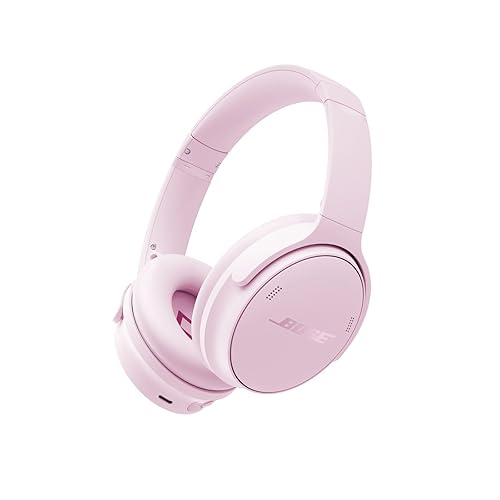
If you are weighing sony versus bose noise cancelling headphones, the short answer is that both brands make excellent noise-cancelling models, and the better choice depends on how you listen. Sony’s flagship lines tend to emphasize adjustable sound tuning and feature-packed apps, while Bose has long focused on comfort and a quiet, consistent cancelling experience. This guide walks through the factors that matter so you can match a model to your commute, workouts, travel or office.
Sony vs Bose Noise Cancelling Headphones: The Core Differences
Before comparing individual models, it helps to understand the general tendencies of each brand. These are patterns owners often report rather than guaranteed outcomes, and generations vary a lot.
Shopping for one? See our guide: Beats by Dre Headphones vs Bose: Which Should You Choose? (2026).
- Noise cancelling style: Bose is often described as strong at reducing steady, low-frequency sounds like engine rumble, HVAC hum and airplane drone. Sony is often described as very effective across a broader range, including some mid-frequency chatter, especially on its top-tier models.
- Sound signature: Sony flagships typically offer a more customizable equalizer and detailed tuning options. Bose tends to aim for a balanced, warm and forgiving sound that many listeners find relaxing without much tweaking.
- Comfort and fit: Bose over-ear models are frequently praised for soft cushioning and a clamping force that owners describe as secure but not tight. Sony models often feel lighter, though clamp pressure and pad material differ by generation.
- Software: Sony’s companion app is known for multiple EQ presets, ambient sound controls and firmware updates. Bose’s app centers on simple ANC level control, custom EQ and device settings.
How to Compare Sony and Bose Noise Cancelling Headphones Step by Step
Rather than picking a brand by reputation, work through a short evaluation. The steps below apply to both brands and to comparisons such as bose vs sony noise cancelling headphones. We also found Best Noise Cancelling Headphones: 6 Over-Ear Models Compared useful on this point.
Step 1: Define Your Main Noise Environment
Write down where you will use the headphones most. Low, constant noise such as planes, trains and air conditioning responds well to any strong ANC system. Office chatter, a barking dog or a nearby conversation is harder to remove, so look for models whose reviews mention mid-range cancelling. For background on how cancelling works, see Are Noise-Canceling Headphones Worth It? Where ANC Helps and Where It Doesn’t.
Step 2: Check Fit and Wear Time
Noise cancelling creates pressure on the head and ears. Wear a pair for at least 20 minutes in a store if possible, paying attention to clamp force and ear cup depth. If you wear glasses, test whether the ear cups press the arms against your head. Over-ear and on-ear designs behave differently here, as explained in Over-Ear vs On-Ear Headphones.
Step 3: Compare Sound Tuning
Play music you know well, including a bass-heavy track, a vocal-focused track and a dense orchestral piece. Note whether bass feels overpowering, vocals feel recessed, or treble sounds harsh. If you enjoy tweaking, Sony’s EQ options give you more control. If you prefer a set-and-forget tuning, Bose’s default profile may suit you better. For a primer on how these differences are measured, see Understanding Frequency Response for Headphones.
Step 4: Test Call Quality
If you take calls, record a short voice memo through each headset’s microphone in a quiet room and then in a noisy one. Listen for how much background noise leaks through and whether your voice sounds thin. Microphone performance varies by model and generation, so check specific reviews for the exact version you are considering.
Step 5: Review Battery and Connectivity
Manufacturers specify battery life with ANC on and off, and these figures are often different. Check the ANC-on rating, since that is the number you will actually use. Also confirm multipoint Bluetooth support if you switch between a laptop and a phone. Connection drop-outs can occur with any brand, and Why Bluetooth Headphones Keep Disconnecting covers common causes.
Step 6: Decide Whether You Need Transparency Mode
Both brands offer an ambient or transparency mode that lets outside sound through. If you walk around busy streets or need to hear announcements, test how natural the passthrough sounds on each model. Background on the feature is available in What is Transparency Mode on Headphones?.
Quick Comparison Table
| Factor | Sony noise cancelling models | Bose noise cancelling models |
|---|---|---|
| Strength against low hum | Strong on top models | Often described as very strong |
| Strength against voices | Often praised on flagships | Varies by generation |
| Default sound profile | Detailed, adjustable | Warm, balanced |
| EQ customization | Extensive in app | Simpler, with custom EQ |
| Comfort focus | Light weight on many models | Plush cushioning, secure fit |
| Best suited for | Tinkerers and feature users | Long wear and easy listening |
Checklist Before You Buy
- Note your three most common listening locations.
- Confirm the exact model generation you are comparing.
- Test fit for at least 20 minutes, with glasses on if you wear them.
- Listen to familiar tracks across bass, vocals and treble.
- Record a voice memo to check microphone quality.
- Check ANC-on battery life and multipoint support.
- Read recent owner reports about firmware updates and reliability.
Common Mistakes When Comparing Sony and Bose
- Comparing different generations. A two-year-old flagship and a current mid-range model are not a fair test. Match tiers before you judge.
- Ignoring the ear cup seal. Poor seal reduces ANC performance more than most spec differences. Check that the cushions sit flat against your head.
- Judging sound only at low volume. Bass and ANC both shift at higher levels. Test at a listening volume you actually use.
- Trusting a single review. Read several sources and look for repeated points about the same issue.
- Forgetting the app. If you plan to tweak EQ or update firmware, the app experience matters as much as the hardware.
Tips for Getting the Most From Either Brand
- Turn ANC to the highest level on flights and trains, then lower it in quiet rooms to reduce ear pressure.
- Update firmware after purchase, since manufacturers often refine ANC and call performance through software.
- Keep ear cushions clean and replace them when they flatten or crack, which restores the seal.
- If sound feels too bass-heavy, reduce the bass in the equalizer by a small step before changing hardware.
Recommended gear
- Replacement ear cushions help restore a tight seal when original pads wear down, which directly affects how well ANC works. View on Amazon
- A hard carrying case protects the ear cups and cable from crushing in a bag, a common cause of hinge damage. View on Amazon
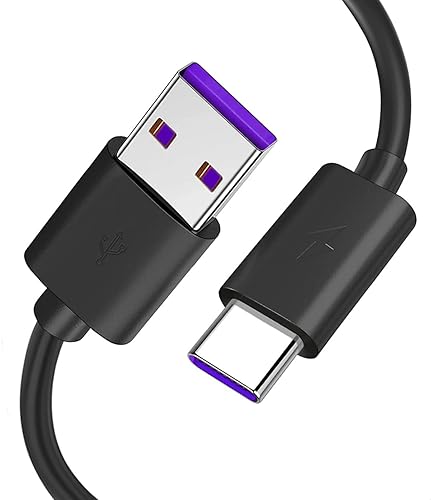
- A USB-C charging cable with a braided jacket gives you a spare for travel and avoids relying on one cable. View on Amazon
FAQ
Which is better, Sony or Bose noise cancelling headphones?
Neither brand wins across the board. Bose is often praised for comfort and steady low-frequency cancelling, while Sony flagships are often praised for adjustable sound and strong overall cancelling. Compare models in the same tier and test them yourself.
Does Bose cancel noise better than Sony?
Bose is frequently described as especially effective on constant low hum, such as airplanes and trains. Sony’s top models are often described as competitive or stronger on a wider range of sounds. Results depend on the specific model and generation.
Are Sony headphones more comfortable than Bose?
Comfort is personal. Many Sony models feel lighter, while many Bose over-ear models feel plush and secure. Fit depends on head shape, glasses and how long you wear them.
Which brand has better sound quality?
Sony is often praised for detailed, customizable sound, and Bose is often praised for a warm, balanced default tuning. Which you prefer depends on whether you want to adjust the EQ or just listen.
Is Bose or Sony better for phone calls?
Call quality varies by model generation and microphone design. Record your own voice memo in a quiet and a noisy room to judge for yourself, and check recent reviews for the exact model.
Do noise cancelling headphones damage hearing?
ANC itself does not damage hearing, but high volume in any headphone can. Keep volume moderate and take breaks. If you have ear pain or hearing concerns, consult a hearing care professional.
Can I use ANC headphones on a plane?
Yes, and many travelers find ANC most useful on flights because engine drone is steady. Check airline rules for electronics during takeoff and landing.
Should I buy the newest model?
Newer models often add firmware features and refined ANC, but older flagships can still perform well. Compare specific changes between generations before deciding.
Conclusion
The sony versus bose noise cancelling headphones decision comes down to your environment, comfort needs and how much you want to tune your sound. Define your main noise sources, test fit and sound yourself, and check call quality and battery life for the exact model. Both brands offer strong options, so the right pick is the one that matches how you listen day to day.
Related reading
Ready to choose one?
About Owen Palmer
Owen Palmer is part of our editorial team and reviews and edits our brand headphones & noise cancelling guides, checking product details against manufacturer specifications and owner feedback.