 By Owen Palmer
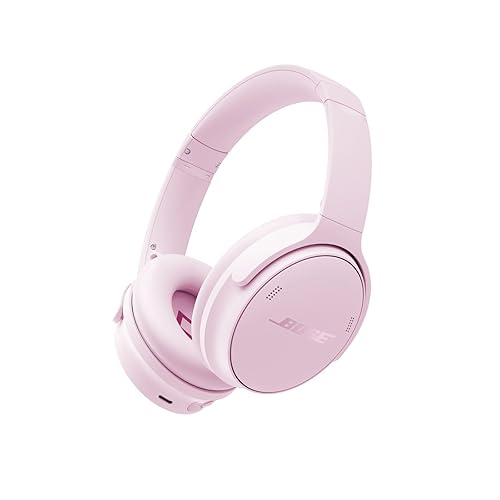
If you are weighing bose quietcomfort headphones vs ultra, the short answer is this: the QuietComfort line is Bose’s core noise-cancelling series, while the QuietComfort Ultra is the newer, higher-tier model built around spatial audio, refined immersive sound and a more premium feature set. By the end of this guide, you will know which differences actually matter for your listening habits, how to compare the two on the specs that count, and how to decide without overpaying for features you will not use.
Bose QuietComfort Headphones vs Ultra: The Core Differences
Both headphones are over-ear, Bluetooth, and built for active noise cancelling (ANC). They share Bose’s reputation for comfortable clamping force and a clean, balanced tuning. The biggest differences are in the layers stacked on top of that foundation: immersive audio processing, the number of microphones and how they are used, and the surrounding software experience.
Shopping for one? See our guide: Beats by Dre Headphones vs Bose: Which Should You Choose? (2026).
Before going deeper, it helps to understand the category itself. If you are new to noise cancelling, our Noise-Canceling Headphones Buying Guide explains how ANC works and what to expect from different levels of isolation.
Step 1: Decide Which Features You Actually Need
Start by listing how you use headphones. Most buyers fall into one of three groups, and each group weighs the comparison differently.
- Commuting and office use: You want strong ANC, reliable calls and all-day comfort.
- Travel: You need effective ANC on planes and trains, a compact fold, and long battery life.
- Movies, gaming and immersive listening: You care about spatial effects and soundstage width.
If your use is mostly the first two, the standard QuietComfort will usually cover you well. If the third matters most, the Ultra’s spatial processing is the feature to evaluate closely. For a broader look at how wireless models suit travel, see Wireless Headphones for Travel.
Step 2: Compare Noise Cancelling Performance
Both models use Bose’s ANC technology, and both are widely regarded for strong low-frequency reduction, the rumble of engines, HVAC systems and train tracks. The practical difference between them in ANC is generally modest for everyday environments. Where you may notice a gap is in how each handles mid and higher frequencies, such as voices, and in how the adaptive modes respond as your surroundings change.
Sub-step: Test ANC Fit on Your Own Head
- Put the headphones on in a quiet room and note how much the ear cups seal around your ears.
- Move your head slowly; a good seal should stay stable.
- If you wear glasses, pay attention to arm pressure, since a broken seal weakens ANC.
Because seal quality varies by head shape, the same model can feel different from person to person. Owners often report that fit influences ANC more than small firmware differences do.
Step 3: Evaluate Sound and Spatial Audio
This is the area where the Ultra tends to stand apart. Its spatial audio mode is designed to create a wider, more three-dimensional presentation, which many listeners find engaging for films and live recordings. The standard QuietComfort delivers Bose’s signature tuning, which is warm and forgiving, without the immersive processing layer.
If you want a conceptual foundation for how stage width works, our article on Soundstage in Headphones explains the idea clearly. Keep in mind that spatial processing is a preference, not a universal upgrade. Some listeners prefer a more direct, unprocessed presentation, especially for music recorded in stereo.
Step 4: Check Comfort, Weight and Build
Both headphones are designed for long sessions, and comfort is one of Bose’s strengths across the line. Check the following before you decide:
- Clamp force: Test by wearing them for 20 to 30 minutes in a store or at home.
- Ear pad material: Consider whether you prefer the feel of the pads and whether they can be replaced later.
- Weight: Compare the listed weight, and remember that heavier models can cause fatigue sooner for some wearers.
- Folding: Check whether the cups fold flat for your bag.
If pads wear out over time, our guide on How to Replace Your Headphone Ear Pads covers the process so you can extend the life of either model.
Step 5: Compare Battery Life, Calls and Connectivity
Manufacturers specify battery life for each model, and both are rated for a full day of typical use. Check the exact figures against the current spec sheet, since they can change with firmware or regional versions. For calls, both use multiple microphones and beamforming to isolate your voice; owners often report that performance depends heavily on wind and background noise.
Connectivity is also worth confirming. Look for multipoint Bluetooth if you switch between a phone and a laptop, and confirm codec support if you use a device that prefers higher-quality audio. If you run into dropouts, our article on Why Bluetooth Headphones Keep Disconnecting covers common causes.
Comparison Table: Key Factors at a Glance
| Factor | QuietComfort | QuietComfort Ultra |
|---|---|---|
| Noise cancelling | Strong, Bose-tuned ANC | Strong ANC with similar core performance |
| Spatial audio | Not the focus | Immersive spatial mode for film and music |
| Best for | Commuting, travel, everyday listening | Movies, immersive content, premium feature seekers |
| Sound tuning | Warm, balanced Bose signature | Same base tuning with added spatial processing |
| Comfort | Designed for long wear | Designed for long wear |
Recommended Gear
A few accessories can make either model easier to live with day to day.
- Bose QuietComfort Headphones Hard Case: A rigid case protects the cups and cable during travel, which matters because the folding hinges are the most common stress point. View on Amazon
- Replacement ear cushions for Bose QuietComfort headphones: Fresh pads restore seal and comfort after heavy use. View on Amazon
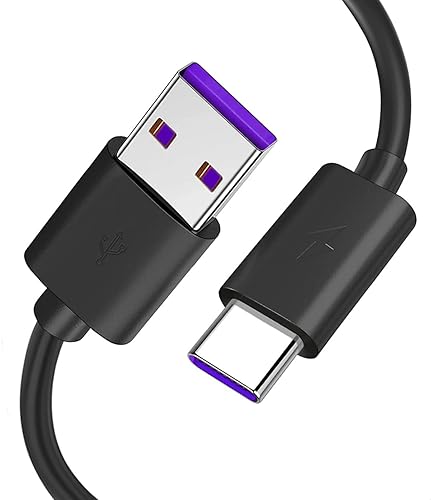
- USB-C charging cable: A spare cable keeps you charged without hunting for the original. View on Amazon
Common Mistakes
- Paying for spatial audio without listening to it with your own content first.
- Judging ANC in a store with low ambient noise instead of a realistic environment.
- Ignoring fit: a poor seal can make even strong ANC feel weak.
- Assuming newer always means better for your use case.
- Forgetting that firmware updates can change features, so check current release notes.
Tips for Deciding Between the Two
- Write down your top three uses for headphones.
- Rank which features matter most: ANC, spatial audio, comfort, calls, battery.
- Test both on your own head if possible, for at least 20 minutes each.
- Choose the standard QuietComfort if spatial processing is not a priority; choose the Ultra if immersive sound is central to how you listen.
FAQ
Is the QuietComfort Ultra better than the QuietComfort?
Not in every way. The Ultra adds spatial audio and a more premium feature set, but the standard QuietComfort offers the same core noise cancelling and comfort for many listeners.
Do both models have strong noise cancelling?
Yes. Both use Bose ANC technology and are well regarded for reducing low-frequency sound. Differences in everyday performance are usually modest.
What is spatial audio on the Ultra?
It is an immersive processing mode that widens the perceived soundstage and places sounds around you, most noticeable with films and some live recordings.
Are the two models good for travel?
Both are suitable for travel. Consider battery life, folding design and a protective case, especially for long flights.
Which model is better for calls?
Both use multiple microphones for voice pickup. Owners often report that wind and background noise affect call quality more than the model choice.
Can I replace the ear pads on either model?
Yes, replacement ear cushions are available for Bose over-ear models. Check compatibility with your exact model before buying.
Should I wait for the next generation?
If your current headphones work well, waiting may make sense. Otherwise, choose based on the features you use today, since future models may change the lineup.
Conclusion
When comparing bose quietcomfort headphones vs ultra, the decision comes down to how you listen. The standard QuietComfort delivers excellent noise cancelling and comfort for commuting and travel, while the Ultra adds spatial audio for immersive content. Test fit and sound yourself, rank the features you truly use, and choose the model that matches those priorities.
Related reading
Ready to choose one?
About Owen Palmer
Owen Palmer is part of our editorial team and reviews and edits our brand headphones & noise cancelling guides, checking product details against manufacturer specifications and owner feedback.