 By Owen Palmer
Updated November 2026
This review looks at the Bose QuietComfort Headphones (2nd Gen), a wireless over-ear model with active noise cancelling, a built-in microphone, USB-C charging and a battery rated for up to 24 hours of playback. It suits commuters, frequent flyers and anyone who wants a comfortable, long-lasting pair of bose quietcomfort wireless headphones without moving into the top tier of Bose’s lineup. It is a weaker match for people who need advanced features such as spatial head tracking, a dedicated app with extensive EQ controls, or the most aggressive noise cancelling available in the brand’s range. Shoppers who mainly listen in quiet rooms or who want a foldable, pocketable headset may also want to compare other styles before committing.

Bose QuietComfort Headphones (2nd Gen) – Wireless Headphones, Active Over Ear Noise Cancelling and Mic, Immersive Audio, USB-C Charging and Lossless Audio, Up to 24 Hours of Play time, Black
Product Overview
The Bose QuietComfort Headphones (2nd Gen) sit in the middle of the brand’s over-ear wireless range. Bose positions them as an everyday pair: comfortable enough for long sessions, quiet enough for busy trains and offices, and simple to operate with physical buttons rather than a touch surface. The listing emphasizes active noise cancelling, immersive audio, USB-C charging and lossless audio support, which together describe a headset aimed at people who want a balance of isolation, sound and battery life rather than a feature-heavy flagship.
The design follows the familiar QuietComfort silhouette: padded ear cups, an adjustable headband and a closed-back construction that helps passive isolation work alongside the active circuitry. The black colorway is the version reviewed here. Owners of earlier QuietComfort models will recognize the general shape, though the 2nd Gen revision is positioned around updated audio processing and charging rather than a wholesale redesign. If you are comparing generations, our guide to Bose QuietComfort 35 II Wireless Headphones: Setup, Fixes and Model Tips (2026) covers how earlier models differ in day-to-day use.
Bose also builds this model for multipoint-style everyday use, meaning it is meant to switch between a phone and a laptop without constant re-pairing. As with any wireless headset, real-world results depend on the source device, Bluetooth version and interference, so treat the stated behavior as the manufacturer’s intent rather than a guarantee for every setup.
Key Features & Specifications
The table below lists the specifications named in the product listing and the characteristics Bose generally documents for this family. Where a figure is not something we can confirm from the listing itself, we have left it out.
| Feature | What the listing states or describes |
|---|---|
| Headphone type | Wireless, over-ear, closed-back |
| Noise cancelling | Active noise cancelling with built-in microphone |
| Battery life | Up to 24 hours of playtime (manufacturer rating) |
| Charging | USB-C |
| Audio | Immersive audio and lossless audio support |
| Bass | Deep bass tuning (per listing wording) |
| Connectivity | Bluetooth wireless |
| Color | Black |
Battery life is the number most buyers ask about. A rating of up to 24 hours is generous for an over-ear model, but actual runtime shifts with volume level, whether noise cancelling is active the whole time, and codec choice. Heavy use of active noise cancelling at high volume will drain the cell faster than moderate listening. USB-C charging is a practical advantage because most laptops, power banks and phone chargers already use the same cable type.
The lossless audio mention deserves a note. Lossless playback depends on both the headset and the source. A phone or computer streaming a compressed format over standard Bluetooth will not deliver lossless quality on its own. Check your streaming app’s settings and your device’s supported codecs before expecting a difference.
Pros & Cons
Pros
- Active noise cancelling suited to commuting, flights and open offices, according to Bose’s positioning and common owner feedback.
- USB-C charging matches the cable most people already carry.
- Battery rated for up to 24 hours, a long runtime for an everyday wireless headset.
- Padded over-ear design that owners often describe as comfortable for extended wear.
- Physical controls are generally easier to use with gloves or without looking than touch surfaces.
- Bose’s established QuietComfort line means a broad base of accessories and replacement parts.
Cons
- Over-ear, closed-back design is bulkier to carry than on-ear or in-ear options.
- Lossless audio benefits depend on source device and app settings.
- Noise cancelling does not block all sound, particularly sudden high-pitched noises or voices at close range.
- Owners who want extensive EQ control or a feature-rich companion app may find the options limited compared with some rivals.
- Like most wireless over-ear models, it adds weight that some wearers notice after several hours.
Performance Analysis
Noise cancelling performance is the central question for this model. Active systems work best against steady, low-frequency sounds such as engine drone, air-conditioning hum and the rumble of a train. They are less effective against speech, keyboard clatter and sudden impulsive noises. Owner feedback for Bose QuietComfort models in general tends to describe strong reduction of constant background noise, with the caveat that conversation-level sound is reduced rather than eliminated. Expect a meaningful drop in ambient hum, not silence.
Sound quality is where personal taste matters most. Bose tunes its QuietComfort line toward a warm, bass-forward profile, which many listeners enjoy for pop, hip-hop and casual listening. Those who prefer a flat or analytical presentation for critical listening may find the tuning colored. The listing’s mention of immersive audio refers to Bose’s processing options, and whether you notice a difference will depend on the content and your ears.
Comfort over long sessions depends largely on head shape and clamping force. Padded ear cups and an adjustable headband are standard on this class, and owners commonly report comfort for several hours. Heavier wearers and those with larger heads should try the fit before relying on it for a long flight. Battery performance is best treated as a planning figure: the 24-hour rating gives you a comfortable margin for a workweek of moderate use, while heavy noise-cancelling use will shorten the day.
Connectivity is handled by standard Bluetooth. Pairing with two devices and switching between them works as described for most users, though occasional reconnection hiccups are a common complaint with any wireless headset that juggles multiple sources. Keeping firmware updated through the Bose app is the first step when problems appear.
Who Should Buy This Product?
This headset fits people who want a dependable everyday wireless pair with real noise reduction, a long battery and a charging port they will not need to replace. Commuters on trains or buses, travelers on planes, and people who work in open offices will get the most value from the isolation. Students who study in noisy dorms and remote workers sharing a home with other people are also good matches.
You should skip it if you need a compact, foldable headset that fits easily in a small bag, if you want advanced customization through a detailed app, or if you are primarily a serious audiophile chasing a neutral reference sound. Athletes who want a secure, sweat-resistant fit for running may prefer a sport-focused in-ear design. Those who want the most powerful noise cancelling in the brand’s lineup should look at higher-tier QuietComfort models instead.
Buying Guide
Before you buy any wireless noise cancelling headset, check four things: how you will carry it, how much you will use noise cancelling, which devices you need to connect, and whether you want an app with detailed controls. Fit matters more than most spec sheets suggest, so if you can try a pair in person, do it.
Look at the charging port and battery claim together. A USB-C port and a 24-hour rating are a practical combination for travel. Confirm that your existing cables and chargers will work. Also consider whether you want multipoint pairing, since switching between a phone and laptop is one of the most common daily frustrations with cheaper headsets.
If this model does not match your needs, two well-known alternatives are worth comparing. The first is a lighter, more travel-friendly option from the same brand family:

Bose QuietComfort Headphones – Wireless Bluetooth Headphones, Active Over Ear Noise Cancelling and Mic, USB-C Charging, Deep Bass, Up to 24 Hours of Playtime, Black
The second is a renewed model from the same brand, which some buyers choose as a budget-conscious alternative. Renewed units are reconditioned, so check the seller’s return policy and warranty coverage before buying:
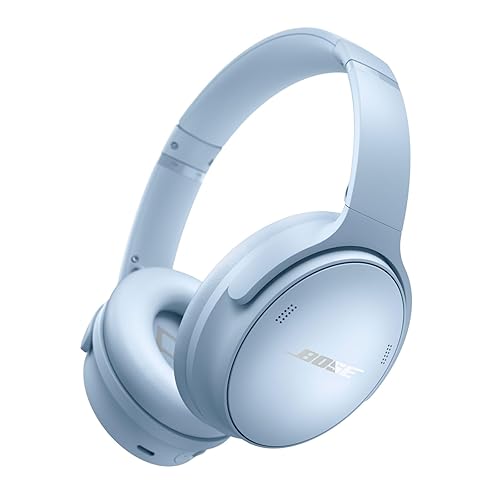
BoseWireless Bluetooth Headphones, Active Over Ear Noise Cancelling and Mic, USB-C Charging, Deep Bass, Up to 24h of Playtime (Certified Renewed) QuietComfort Headphones, Moonstone Blue
For a broader side-by-side view of how Bose’s wireless models stack up against rival brands, see Bose Quietcomfort Headphones vs Sony Wh-1000xm5 (2026): Which Should You Choose? and Bose Quietcomfort Headphones vs Beats Studio Pro (2026): Which Should You Choose?
FAQ
How long does the battery last on bose quietcomfort wireless headphones?
Bose rates this model for up to 24 hours of playtime. Actual runtime varies with volume, how often noise cancelling is active, and the audio source. Moderate listening at mid-level volume will typically last longer than continuous use at high volume with noise cancelling on.
Do these headphones support USB-C charging?
Yes, the listing specifies USB-C charging. This means you can use a standard USB-C cable and many common chargers or power banks rather than a proprietary cable.
Is the noise cancelling strong enough for a loud office or train?
Active noise cancelling reduces steady, low-frequency noise such as engine rumble and air-conditioning hum. It is less effective against voices and sudden sounds, so expect a noticeable reduction in constant background noise rather than total silence.
Can I use these headphones for calls?
The listing includes a built-in microphone, so the headset supports calls. Call quality depends on the environment and the device you are calling from. In noisy places, the microphone may pick up some background sound.
Does this model deliver lossless audio?
The listing mentions lossless audio support. To hear a difference, your source device and streaming app must send lossless content over a compatible connection. Standard Bluetooth playback of compressed audio will not provide lossless quality on its own.
Are these headphones comfortable for long sessions?
The padded over-ear design is intended for extended wear, and owners commonly report comfort over several hours. Fit varies by head shape, so trying them on before a long trip is wise.
Can I connect to two devices at once?
Bose designs its QuietComfort line for multipoint-style use, letting you switch between two paired devices. Results depend on your phone and laptop, and if you run into connection issues, updating firmware through the Bose app is a good first step.
Should I see a professional about hearing concerns?
If you experience ringing in the ears, discomfort or any hearing change after using headphones, stop use and consult an audiologist or doctor. Keeping volume at moderate levels and taking listening breaks helps protect hearing over the long term.
Final Verdict
The Bose QuietComfort Headphones (2nd Gen) are a sensible choice for anyone who wants reliable active noise cancelling, a long battery and USB-C charging in a comfortable over-ear wireless package. They suit commuters, travelers and office workers who will use them daily. They are less suited to shoppers who need a compact foldable design, deep app-based customization or the strongest isolation Bose offers. Compare the alternatives above, check your fit and device needs, and buy with those priorities in mind.
Related reading
About Owen Palmer
Owen Palmer is part of our editorial team and reviews and edits our brand headphones & noise cancelling guides, checking product details against manufacturer specifications and owner feedback.