 By Owen Palmer
Updated November 2026
The Bose QuietComfort Ultra Bluetooth Headphones 2nd Gen suit listeners who want strong active noise cancelling, spatial audio, and a long battery in a full-size over-ear design. They fit commuters, frequent flyers, and anyone who spends hours on calls or streaming and wants a comfortable, premium-feeling pair. They are a weaker choice for people who need the smallest possible headphones for workouts, those who want wired-only operation, or buyers who mainly listen in quiet rooms and do not care about cancelling background noise. Because the product is positioned at the top of Bose’s over-ear lineup, it makes most sense when noise cancelling and spatial features are priorities, not just nice extras. Readers comparing options should also look at the related models below before deciding.

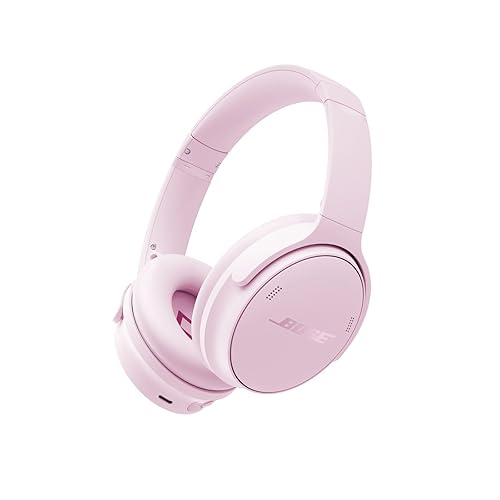
Bose QuietComfort Ultra Bluetooth Headphones (2nd Gen), Wireless Headphones with Spatial Audio, Over Ear Noise Cancelling with Mic, Up to 30 Hours of Play time, Black
Product Overview
The Bose QuietComfort Ultra Bluetooth Headphones (2nd Gen) are closed-back, over-ear wireless headphones built around active noise cancelling and Bose’s immersive audio processing. The product listing describes them as wireless headphones with spatial audio, a built-in microphone, and up to 30 hours of playtime, sold in a black finish. Bose’s QuietComfort Ultra line has been its flagship over-ear family, and this second-generation version updates that lineup with the same core goals: cancel as much ambient sound as possible, deliver a wide, room-like soundstage when spatial audio is enabled, and keep the ear cups comfortable through long sessions.
For readers who follow Bose models closely, the naming can be confusing. The first-generation QuietComfort Ultra headphones set the template, and the 2nd Gen model is positioned as a refresh. If you are trying to sort out which version you are looking at, our guide Bose QuietComfort Ultra Headphones 1st Gen: 4 Best Options Compared (2026) walks through the differences. Our general review of the family, Bose QuietComfort Ultra Noise Cancelling Headphones Review: Is It Worth It?, covers the broader design philosophy and how the line has evolved. Headphone Connectivity: Bluetooth, LE Audio and Wired goes further into this.
Think of this model as a premium commuter and travel headphone with a home-listening side. The ear cups are designed to sit around the ears rather than press on them, and the headband distributes weight across the crown. The microphone array is intended to pick up voice for calls, and the controls are arranged so that most functions can be reached without looking. Owners often describe the overall package as polished rather than flashy, which fits Bose’s usual approach.
Key Features & Specifications
The table below lists the specifications that are either stated in the product name or well established for Bose’s QuietComfort Ultra design. Where a detail is not confirmed for this exact generation, it is left out rather than estimated.
| Feature | What It Means |
|---|---|
| Form factor | Over-ear, closed-back design |
| Connectivity | Bluetooth wireless |
| Noise cancelling | Active noise cancelling (ANC) with built-in microphone |
| Spatial audio | Immersive audio processing for a wider, more room-like soundstage |
| Battery life | Up to 30 hours of playtime, per the listing |
| Microphone | Built-in mic for calls and voice commands |
| Color | Black |
Manufacturers typically specify playtime under mixed use with ANC enabled at moderate volume. Real-world results depend on volume level, whether ANC is on or off, and whether spatial audio is active, since each of these draws power differently. Owners often report that heavy ANC use and high volume bring the figure closer to the lower end of the range, while lighter listening gets closer to the stated maximum.
Pros & Cons
Pros
- Full-size over-ear design with ear cups built to surround the ear, which suits long sessions.
- Active noise cancelling is positioned as a core strength, useful on flights, trains, and in offices.
- Spatial audio gives movies, games, and live recordings a wider sense of space than standard stereo.
- Stated battery life of up to 30 hours covers several days of typical commuting between charges.
- Built-in microphone is intended for clear voice pickup on calls.
- Bluetooth connectivity makes it easy to pair with phones, tablets, and laptops.
Cons
- Over-ear headphones are bulkier than earbuds and are less convenient for workouts or carrying in a small pocket.
- Owners sometimes report that the closed-back design can feel warm during extended use in hot environments.
- Spatial audio effects are a matter of taste; some listeners prefer a more direct, neutral presentation.
- Premium positioning means the product is a considered purchase rather than a casual one.
- Battery figures vary with ANC and volume, so the 30-hour number is best treated as a best-case estimate.
- Listeners who want wired-only operation or a detachable cable will need a different model.
Performance Analysis
Performance for a headphone like this comes down to three areas: how well it blocks noise, how its audio sounds, and how it fits and holds up over time. Based on the specifications and the feedback patterns commonly reported by owners, the picture is fairly consistent.
Noise Cancelling
Bose has long built its reputation on ANC, and this model continues that approach. Owners frequently mention that low, steady sounds such as engine drone, air conditioning, and train rumble are reduced the most, while sudden sounds like voices or door slams are reduced less. That is typical of active systems in general. For best results, many owners find that a snug seal matters as much as the processing itself, so the fit guidance later in this review is worth following.
Spatial Audio and Sound
Spatial audio is the feature most likely to divide opinions. When enabled with compatible content, the sound tends to feel wider and less like it is confined inside the head. This is most noticeable with films and games that use surround mixes. For music, reactions vary: some listeners enjoy the expanded stage, while others prefer turning spatial processing off for a tighter, more direct sound. Trying both modes with familiar tracks is the simplest way to decide.
Comfort and Fit
Comfort is a recurring strength in owner discussions. The headband and cushions are generally described as soft and well padded, and the clamping force is usually reported as firm enough for stability without causing pressure after a few hours. Glasses wearers often mention that the ear cups still seal reasonably well, though thick frames can reduce the seal slightly.
Microphone and Calls
The built-in microphone is intended for voice calls and assistant commands. Owners tend to report clear voice pickup in quiet to moderate environments, with more background noise coming through in windy or crowded places. As with most headphones, placing the mic closer to the mouth and avoiding wind-exposed locations improves results.
Who Should Buy This Product?
This headphone makes the most sense for a specific set of listeners. Frequent travelers and commuters who want a quieter environment on planes, trains, and buses are the clearest fit, since the ANC is the main reason to choose this class of product. Remote workers and anyone who takes many calls will benefit from the microphone and the comfort for long sessions. Film and game fans who want spatial audio are another good match.
It is less suitable for people who mainly exercise outdoors, prefer earbuds for pocket convenience, or listen only at home in quiet rooms where ANC adds little. Buyers on a tight budget may find that a budget pick from Bose’s lineup or a third-party alternative covers their needs with fewer features. Buyers who want something lighter may prefer the compact alternatives discussed below.
Buying Guide
Before buying, it helps to decide what you actually need from a headphone. Start with where you will use it most. Commuting and travel point toward strong ANC and long battery life. Office and video call use points toward a clear microphone and comfortable fit. Home entertainment points toward spatial audio and a comfortable, roomy ear cup. Matching the product to the environment will tell you more than any single spec.
Next, check the form factor. Over-ear models like this one offer the most comfortable long-term wear and the strongest passive isolation, but they are larger to carry. If portability is the priority, earbuds may suit you better. Bose’s own range includes other options, and the comparison below can help narrow the choice.
Consider these alternatives from the same brand when weighing your decision:
- Bose QuietComfort Headphones (2nd Gen): a related over-ear option with active noise cancelling, immersive audio, USB-C charging, and up to 24 hours of playtime. It may appeal to buyers who want most of the same experience with a shorter stated battery life.

Bose QuietComfort Headphones (2nd Gen) – Wireless Headphones, Active Over Ear Noise Cancelling and Mic, Immersive Audio, USB-C Charging and Lossless Audio, Up to 24 Hours of Play time, Black
- Bose QuietComfort Ultra Earbuds (2nd Gen): in-ear wireless earbuds with noise cancelling, immersive audio, USB-C charging, up to 6 hours of battery, and an IPX4 rating. This is the better pick for pocket-friendly, on-the-go use.

Bose QuietComfort Ultra Earbuds (2nd Gen) – Wireless Noise Cancelling Earbuds with Mic, Immersive Audio, USB-C Charging, Up to 6 Hours Battery, IPX4 Rating, Black
For readers who want to compare Bose’s over-ear models with rival brands, our head-to-head guides such as Bose Quiet Comfort Headphones vs Ultra: A Practical Guide (2026) and Bose Quietcomfort Headphones vs Sony Wh-1000xm5 (2026): Which Should You Choose? provide useful context. If you are also considering a discount route, our article on Bose QuietComfort Headphones Refurbished: What to Check Before You Buy explains what to inspect before buying a used or refurbished unit.
Finally, try to test the fit before committing. Headphones that feel right in a store or on a short trial often feel different after two hours. If you can, look for return options, and check the warranty terms before purchase.
FAQ
Does the Bose QuietComfort Ultra Bluetooth Headphones 2nd Gen support spatial audio?
Yes. The product name lists spatial audio, which Bose uses to create a wider, more room-like soundstage. Results depend on the content you play, and many listeners compare the effect with spatial audio on and off to choose a preference.
How long does the battery last?
The listing states up to 30 hours of playtime. Actual battery life varies with volume, ANC use, and spatial audio settings. Owners often report that heavier use shortens the time, so plan on a range rather than the maximum figure.
Can I use these headphones for phone calls?
Yes. The model includes a built-in microphone intended for calls and voice commands. Clarity is usually best in quiet settings, and placing yourself away from wind improves results.
Are these headphones good for travel?
They are well suited to travel because active noise cancelling reduces steady background sounds such as engine noise. The over-ear design is comfortable for long flights, though the headphones are larger to pack than earbuds.
Are they comfortable for long listening sessions?
Comfort is a common strength in owner feedback, with soft padding and a well-distributed headband. Fit is personal, so it is worth checking how the clamping force feels after an extended session if you can.
Do these headphones work with glasses?
Many glasses wearers report that the ear cups still seal adequately. Thicker frames can slightly reduce the seal, which may affect noise cancelling performance. Trying them on with your own glasses is the best test.
How does this model compare with the Bose QuietComfort Headphones (2nd Gen)?
The Ultra model is positioned as the more feature-rich over-ear option, with a longer stated battery life and spatial audio. The other model is a related choice for buyers who want strong ANC and immersive audio with a somewhat lower stated playtime. Compare the features against your own priorities.
Final Verdict
The Bose QuietComfort Ultra Bluetooth Headphones 2nd Gen are a strong match for listeners who put noise cancelling, comfort, and spatial audio at the top of their list. Their stated 30-hour battery, built-in microphone, and over-ear design make them practical for commuting, flying, calls, and home entertainment alike. They are less ideal for anyone who needs something small, wired, or purely for workouts, and buyers should weigh the size and price tier against those needs. If the core use case matches the strengths described above, this is a dependable premium option from one of the best-known names in noise cancelling audio.
About Owen Palmer
Owen Palmer is part of our editorial team and reviews and edits our brand headphones & noise cancelling guides, checking product details against manufacturer specifications and owner feedback.